

What is Copper Sulfate Pneumatic Conveying? Introduction to the Working Principle of Powder Handling
Copper sulfate, a widely used chemical compound in various industrial applications, often requires efficient and reliable transportation methods. Pneumatic conveying, particularly for copper sulfate, offers a solution that combines safety, efficiency, and versatility in powder handling. This article delves into the concept of copper sulfate pneumatic conveying, exploring the underlying principles and components of a powder handling system designed for such materials.
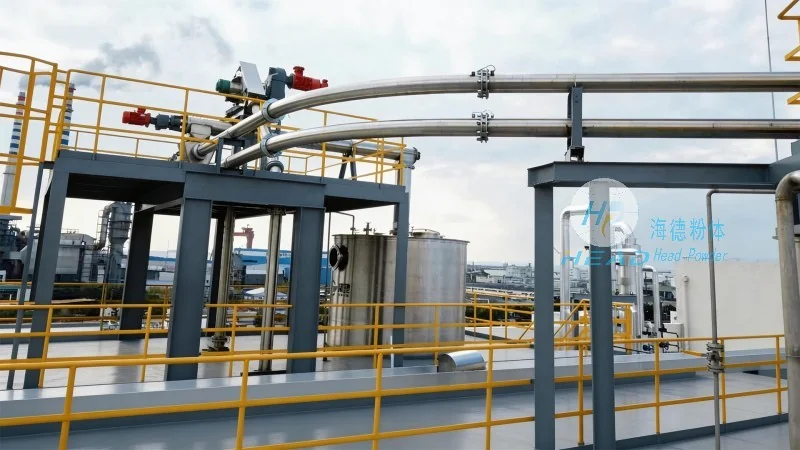
Understanding Pneumatic Conveying Systems
Pneumatic conveying systems are designed to transport bulk powders, such as copper sulfate, through the use of compressed air or other gases. These systems eliminate the need for mechanical components like belts or buckets, reducing maintenance and operational costs while ensuring a clean and dust-free transfer process. The technology is particularly advantageous for handling materials that are prone to dust, moisture, or contamination, as it provides a sealed environment that maintains product integrity.
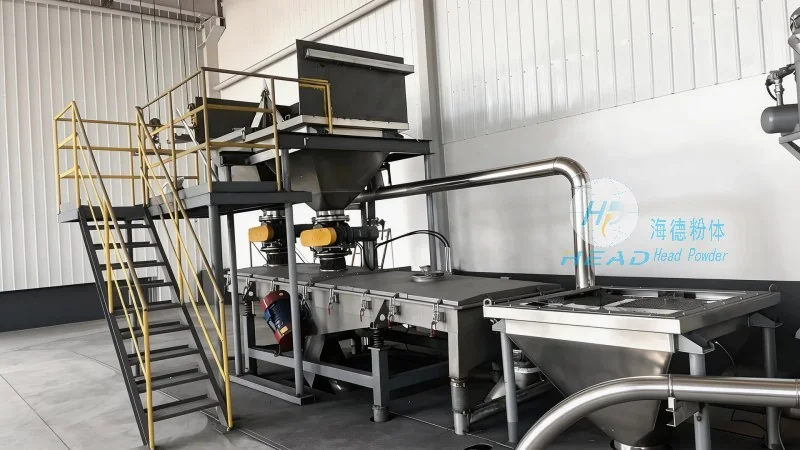
The Working Principle of Copper Sulfate Pneumatic Conveying
The core of a copper sulfate pneumatic conveying system lies in its ability to suspend and transport the powder particles using a carrier gas. Typically, the system operates by drawing the powder into a hopper or feeder, where it is then introduced into a pipeline. Compressed air is introduced at the inlet, creating a low-pressure zone that lifts the powder particles into the air stream. The mixture of powder and air travels through the pipeline to the destination point, where it is separated from the gas and collected in a receiving container. This process can be categorized into two main types: suction (or vacuum) conveying and pressure conveying, each with distinct applications and advantages.
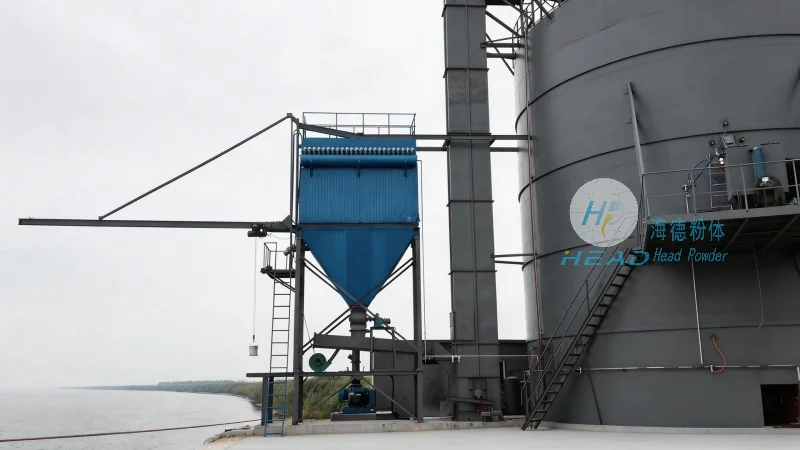
Key Components of a Copper Sulfate Pneumatic Conveying System
Several critical components work in tandem to ensure the smooth operation of a copper sulfate pneumatic conveying system. The primary components include:
- Feeder or Hopper: This component is responsible for feeding the copper sulfate powder into the system. It may include a rotary valve or a screw feeder to control the flow rate and prevent blockages.
- Conveying Pipe: The pipeline through which the powder and air mixture travels. The pipe material is typically chosen for its resistance to corrosion and wear, especially when dealing with copper sulfate, which can be abrasive.
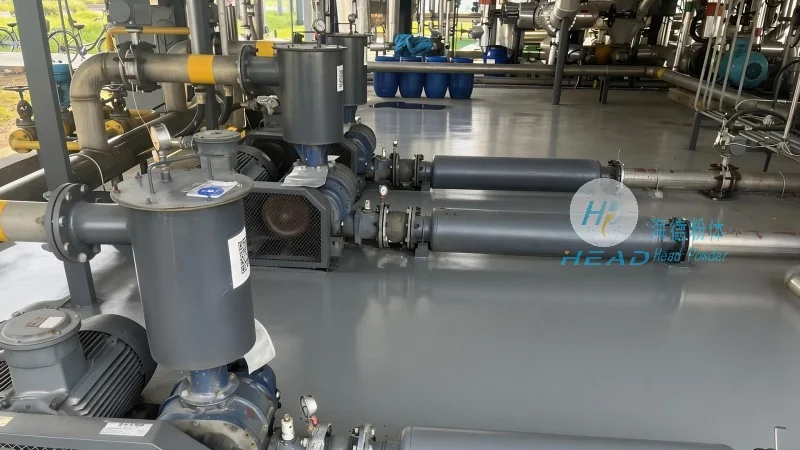
- Compressor or Vacuum Pump: Provides the necessary pressure or vacuum to move the material through the system. For suction conveying, a vacuum pump is used, while pressure conveying relies on a compressor.
- Separation and Collection Equipment: At the end of the pipeline, a cyclone separator or a filter is used to separate the powder from the air. The collected copper sulfate is then transferred to a storage or processing unit.
- Control System: A sophisticated control system monitors and regulates the flow rate, pressure, and temperature to ensure optimal performance and prevent system failures.
Advantages of Using Pneumatic Conveying for Copper Sulfate
Implementing a pneumatic conveying system for copper sulfate offers several benefits that enhance operational efficiency and product quality. These advantages include:
- Reduced Downtime and Maintenance: With fewer mechanical parts, the system experiences less wear and tear, leading to lower maintenance costs and extended operational life.
- Improved Product Safety: The sealed system prevents dust exposure, minimizing health risks for operators and maintaining the purity of the copper sulfate.
- Energy Efficiency: Modern pneumatic conveying systems are designed to be energy-efficient, reducing operational costs while maintaining high throughput.
- Flexibility in Layout: The system can be easily adapted to different plant layouts, allowing for flexible installation and expansion.
About Shandong HeadPowder Engineering Co., Ltd.
Shandong HeadPowder Engineering Co., Ltd., commonly known as HeadPowder, is a leading provider of advanced powder handling solutions. With a focus on innovation and customer satisfaction, HeadPowder specializes in designing and manufacturing customized pneumatic conveying systems tailored to the unique needs of industries handling copper sulfate and other bulk powders. The company’s headquarters is located in Shandong, China, where it leverages local expertise and resources to deliver high-quality, reliable equipment and services to clients worldwide.