

What is a Soap Pellet Material Pneumatic Conveying Line? What Are Its Design Principles?
For industrial applications involving soap pellet materials, efficient and reliable material handling is crucial. A pneumatic conveying line specifically designed for soap pellets represents a sophisticated solution that integrates technology and engineering to ensure seamless material transport. This article explores the concept of a soap pellet material pneumatic conveying line, detailing its design principles and the underlying technology that enables its operation.
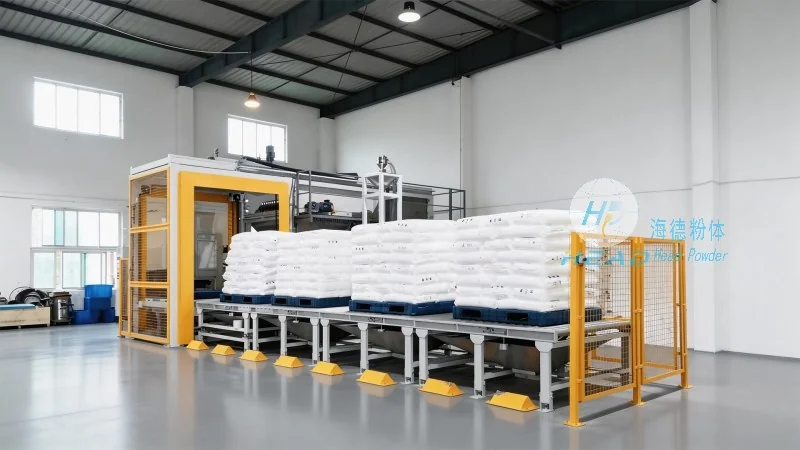
Introduction to Soap Pellet Material Pneumatic Conveying Lines
A soap pellet material pneumatic conveying line is a system engineered to transport soap pellets from one location to another using the force of compressed air or a vacuum. Unlike traditional mechanical conveyors, this system relies on the principles of fluid dynamics to move the material through a pipeline. The technology is widely adopted in the soap manufacturing and processing industries due to its ability to handle delicate or abrasive materials without causing damage or contamination.
About HeadPowder: Shandong HeadPowder Engineering Co., Ltd.
HeadPowder, a leading provider in the field of material handling solutions, is based in Shandong, China. With a strong commitment to innovation and quality, the company specializes in designing and manufacturing pneumatic conveying systems tailored to the unique needs of various industries, including the soap manufacturing sector. The company’s headquarters and operational base are located in Shandong, China, where it leverages local expertise and resources to deliver high-performance conveying solutions.
Design Principles of Pneumatic Conveying Systems for Soap Pellets
The design of a soap pellet material pneumatic conveying line is governed by several key principles that ensure optimal performance and efficiency. The primary design principle revolves around the selection of the appropriate conveying method—either pressure or vacuum-based. Pressure systems use compressed air to push the material through the pipeline, while vacuum systems use a vacuum to pull the material. The choice between these methods depends on factors such as the distance to be covered, the material’s characteristics, and the desired throughput.
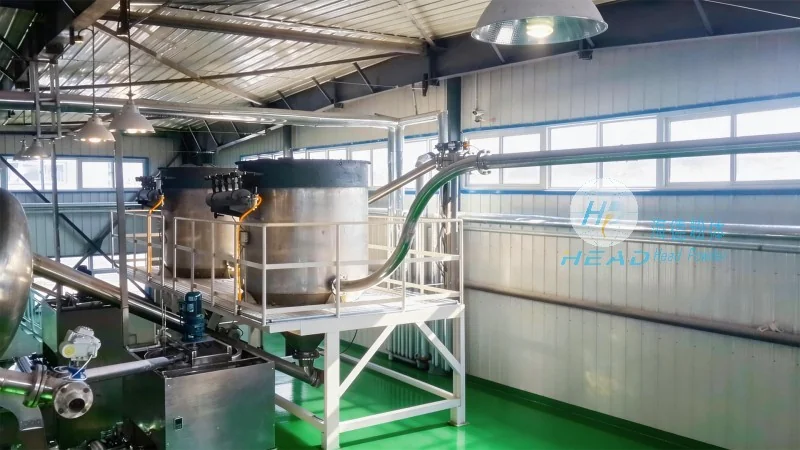
Another critical design principle is the selection of the appropriate pipeline diameter and material. The diameter must be sufficient to accommodate the volume of soap pellets being conveyed without causing excessive pressure drop or material blockage. The material of the pipeline (e.g., stainless steel, plastic) is chosen based on the chemical compatibility with the soap pellets and the need for hygiene and durability. For soap pellets, which may be sensitive to moisture or contamination, stainless steel pipelines are often preferred due to their corrosion resistance and ease of cleaning.
System Components and Their Functions
A typical soap pellet material pneumatic conveying line consists of several key components, each playing a vital role in the overall operation. The main components include the material feed hopper, the conveying pipeline, the air compressor or vacuum pump, the control system, and the discharge hopper. The feed hopper is responsible for storing and feeding the soap pellets into the system, ensuring a consistent flow of material. The pipeline transports the material from the feed hopper to the discharge point, while the air compressor or vacuum pump provides the necessary pressure or vacuum to move the material. The control system monitors and regulates the flow of material and air, ensuring safe and efficient operation. The discharge hopper collects the material at the end of the pipeline, allowing for easy downstream processing.
Advantages of Using Pneumatic Conveying for Soap Pellets
Implementing a pneumatic conveying line for soap pellets offers several advantages over traditional mechanical conveyors. One of the most significant benefits is the ability to handle delicate or abrasive materials without causing damage. The gentle movement of the material within the pipeline prevents breakage or degradation of the soap pellets, ensuring product quality. Additionally, pneumatic conveying systems are highly flexible, allowing for changes in the conveying route or distance without major modifications to the system. This flexibility is particularly valuable in dynamic manufacturing environments where production requirements may change frequently.
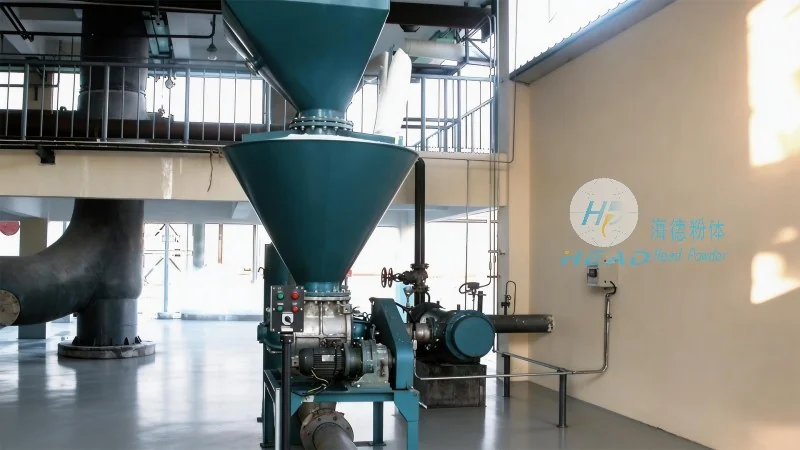
Another advantage is the cleanliness and hygiene of the system. Pneumatic conveying lines are enclosed, preventing dust and particles from escaping into the environment. This is especially important in industries where product purity is paramount, such as soap manufacturing. The enclosed design also reduces the risk of contamination from external sources, maintaining the integrity of the soap pellets throughout the conveying process. Furthermore, pneumatic conveying systems are energy-efficient compared to some mechanical alternatives, as they can optimize air usage to minimize energy consumption while maintaining the required throughput.
Considerations for Designing a Soap Pellet Pneumatic Conveying Line
When designing a soap pellet material pneumatic conveying line, several factors must be carefully considered to ensure the system operates effectively and reliably. The first consideration is the physical properties of the soap pellets, including their size, shape, density, and moisture content. These properties affect the flow characteristics of the material and the pressure drop within the pipeline. For example, larger or irregularly shaped pellets may require a larger pipeline diameter to prevent blockages, while higher moisture content may necessitate additional drying steps before conveying.
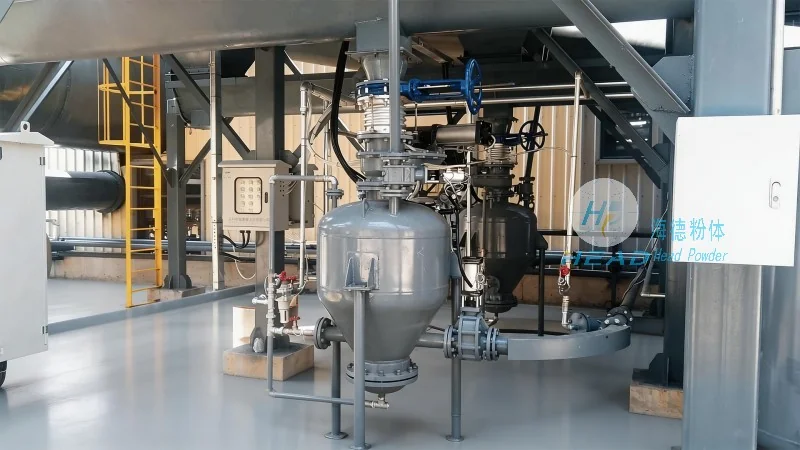
Another important consideration is the conveying distance and elevation changes. The system must be designed to handle the required distance and any vertical or horizontal changes in the pipeline. The pressure or vacuum levels must be sufficient to overcome the resistance of the pipeline and the elevation changes without causing excessive energy consumption or material degradation. Engineers often use computational fluid dynamics (CFD) simulations to model the flow of air and material and optimize the system design before implementation.
Furthermore, the system must be designed with safety and maintenance in mind. This includes incorporating pressure relief valves, vacuum breakers, and other safety devices to prevent over-pressurization or vacuum collapse. Regular maintenance is also essential to ensure the system operates efficiently and to prevent downtime. The use of high-quality components and materials, such as stainless steel for pipelines and wear-resistant parts for the feed and discharge hoppers, can extend the lifespan of the system and reduce maintenance costs.
Conclusion
A soap pellet material pneumatic conveying line is a sophisticated and efficient solution for transporting soap pellets in industrial settings. By leveraging the principles of pneumatic conveying, this system offers advantages such as gentle handling, flexibility, cleanliness, and energy efficiency. The design of such a system requires careful consideration of material properties, conveying distance, and system components to ensure optimal performance. With the expertise of companies like HeadPowder, manufacturers can implement reliable and effective pneumatic conveying solutions that meet their specific needs and enhance their production processes.