Colored sand powder conveying is a critical process in various industrial applications, particularly in the production of decorative materials, construction, and manufacturing sectors. The efficient handling and transportation of colored sand powders are essential for maintaining product quality and operational efficiency. This article explores the working principles and key characteristics of colored sand powder conveying systems, providing insights into how these systems operate and their advantages in industrial settings.
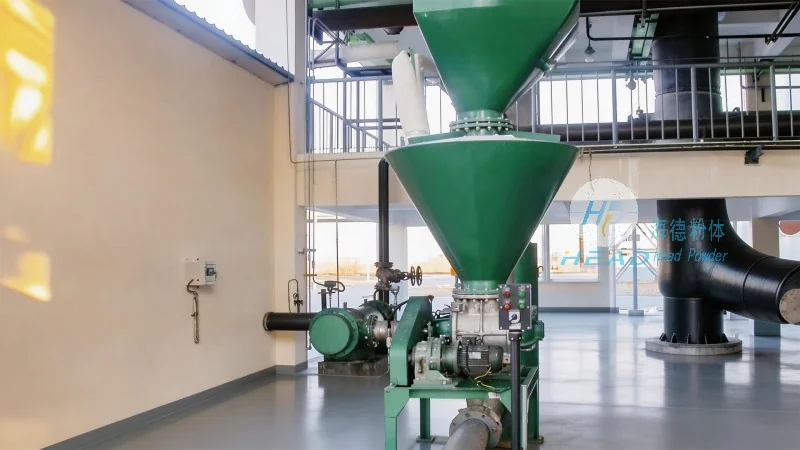
The core working principle of colored sand powder conveying involves the use of specialized equipment to transport dry, granular materials like colored sand. The process typically begins with the storage of colored sand in a hopper or silo, where the material is held under controlled conditions to prevent agglomeration or moisture absorption. From the storage vessel, the colored sand is then transferred to the conveying system through a series of mechanisms designed to ensure smooth and consistent flow.
One common method of colored sand powder conveying is the use of pneumatic conveying systems, which utilize air pressure to move the powder through pipelines. In this system, compressed air is introduced into the pipeline, creating a flow that carries the colored sand particles. The air velocity is carefully controlled to prevent particle separation or blockages, ensuring reliable transportation. Another method involves mechanical conveying, such as screw conveyors or belt conveyors, which use mechanical force to move the powder along a designated path. These systems are often preferred for applications requiring high material throughput or when the powder is prone to clumping.
In both pneumatic and mechanical conveying systems, the colored sand is typically fed into the system at a controlled rate to maintain a steady flow. The system may include components like feeders, valves, and regulators to adjust the flow rate and pressure, ensuring optimal performance. The final stage of the conveying process involves delivering the colored sand to the processing or storage area, where it is ready for the next stage of production.
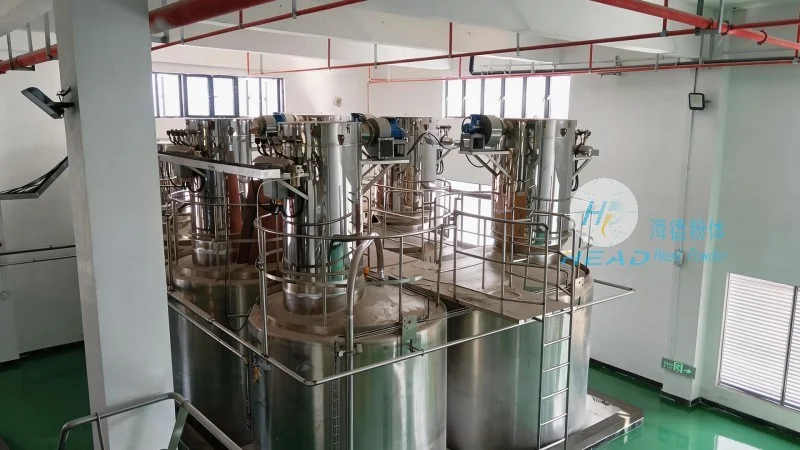
Colored sand powder conveying systems exhibit several notable characteristics that make them suitable for industrial applications. Firstly, these systems are designed to handle dry, free-flowing materials, which is essential for maintaining the quality of colored sand products. The equipment used in these systems is constructed from materials that are resistant to corrosion and wear, ensuring long-term durability and reliability. For example, the pipelines and components are often made from stainless steel or other corrosion-resistant materials to withstand the abrasive nature of colored sand particles.
Secondly, colored sand powder conveying systems are known for their efficiency in terms of energy consumption and operational costs. By using pneumatic or mechanical methods, these systems can transport large volumes of material with minimal energy input, reducing operational expenses. The systems are also designed to minimize material loss and contamination, which is crucial for maintaining product purity and meeting quality standards. This is achieved through the use of sealed systems and proper maintenance protocols.
Thirdly, the flexibility of colored sand powder conveying systems allows for adaptation to various production requirements. These systems can be customized to handle different particle sizes, flow rates, and material types, making them versatile for a wide range of applications. Additionally, the systems can be integrated with other production equipment, such as mixers or extruders, to form a seamless production line. This integration enhances overall operational efficiency and reduces downtime.
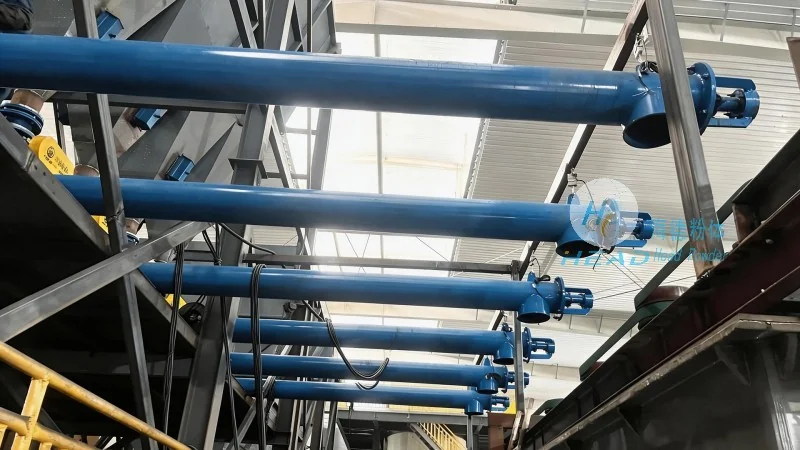
Another important characteristic is the safety features incorporated into colored sand powder conveying systems. These systems are equipped with safety valves, pressure relief devices, and monitoring systems to prevent accidents and ensure safe operation. The use of sealed containers and proper ventilation also minimizes the risk of dust explosions or inhalation of fine particles, which is critical in industrial environments. Compliance with safety regulations and standards is a key aspect of these systems, ensuring that they meet the required safety requirements.
Colored sand powder conveying systems find widespread application in various industries, including construction, manufacturing, and decorative material production. In the construction industry, these systems are used to transport colored sand for concrete and mortar production, adding aesthetic appeal to building materials. In manufacturing, they are utilized in the production of colored plastics, ceramics, and coatings, where the uniform distribution of colored sand is essential for product quality. The decorative material industry also relies on these systems to produce high-quality colored sand products for interior and exterior design applications.
The benefits of using colored sand powder conveying systems extend beyond efficiency and quality. These systems contribute to improved workplace safety by reducing manual handling of powders and minimizing dust exposure. They also enhance environmental sustainability by reducing waste and improving material utilization. The consistent and controlled flow of colored sand ensures that production processes are more predictable and reliable, leading to higher customer satisfaction and reduced production costs.

 Shandong Headpowder Engineering Co., Ltd.
 156-6277-7102(Manager Zhang)
  0531-83386006
  Jinan City, Shandong Province, China
telephone
WeChatconsult
top