Efficient and reliable pigment powder conveying is a critical process in various industrial applications, particularly in the manufacturing of paints, inks, and other colorant products. The proper handling of pigment powders ensures consistent quality, reduces material waste, and enhances overall production efficiency. This article explores the working principle and key features of pigment powder conveying systems, providing insights into how these technologies operate and their advantages in industrial settings.
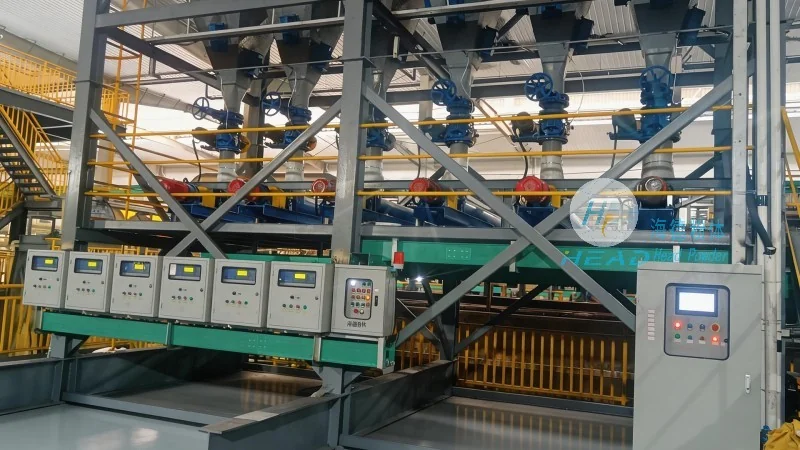
Pigment powders are fine, dry particles used to impart color to materials such as coatings, plastics, and textiles. Conveying these powders from storage to processing equipment requires specialized equipment and techniques to maintain particle integrity and prevent contamination. The process involves several stages, including material transfer, storage, and feeding, each designed to optimize the handling of pigment powders while minimizing operational risks.
The core of pigment powder conveying systems lies in the use of mechanical and pneumatic methods to transport dry powders. These systems typically consist of components like hoppers, feeders, conveyors, and control mechanisms. The working principle involves the following steps:
1. Material Storage and Preparation: Pigment powders are stored in bulk containers or silos. The storage vessels are designed to maintain the powder's quality by controlling temperature, humidity, and air flow. Aeration systems may be employed to prevent caking or agglomeration, which can affect the powder's flow properties.
2. Powder Feeding: A feeder, such as a rotary valve or a screw feeder, regulates the flow of pigment powder from the storage hopper to the conveyor. The feeder ensures a consistent and controlled discharge rate, preventing overloading or underfeeding that could disrupt the conveying process.
3. Powder Conveying: The conveyed powder is transported through pipelines or ducts using either mechanical or pneumatic methods. Mechanical conveyors, like belt or screw conveyors, use physical force to move the powder, while pneumatic systems utilize air pressure to create a flow of powder particles. The choice of method depends on factors such as powder characteristics, required throughput, and system layout.
4. Control and Monitoring: Modern conveying systems incorporate sensors and control panels to monitor key parameters, including flow rate, pressure, and temperature. This allows operators to adjust the system in real-time, ensuring optimal performance and preventing issues like blockages or material degradation.
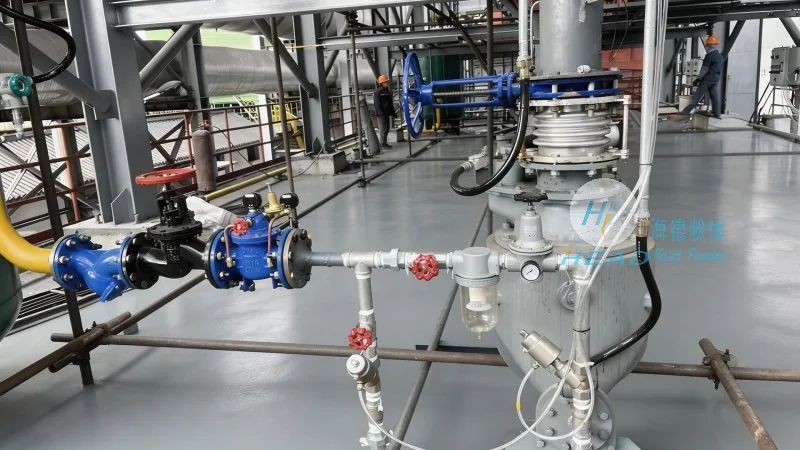
Pigment powder conveying systems are designed with several features to enhance performance, safety, and efficiency. These features include:
1. Low-Pressure Pneumatic Conveying: This method uses low-pressure air to transport powders, which is ideal for short-distance transfers and applications where high pressure may damage the powder or equipment. It offers flexibility in system design and is suitable for handling fine powders without causing excessive wear.
2. High-Performance Feeders: Advanced feeders, such as loss-in-weight or gravimetric feeders, provide precise control over the powder flow rate. These feeders are crucial for applications requiring accurate dosing, ensuring consistent product quality and minimizing material waste.
3. Material Compatibility: Conveying equipment is constructed from materials that are resistant to corrosion and wear from pigment powders. Common materials include stainless steel, polyethylene, and special alloys, which protect the system from chemical reactions and mechanical abrasion.
4. Integration with Processing Equipment: Modern conveying systems are often integrated with downstream processing equipment, such as mixers or extruders. This integration allows for seamless material transfer, reducing downtime and improving overall production throughput.
Implementing an efficient pigment powder conveying system offers several benefits to industrial operations:
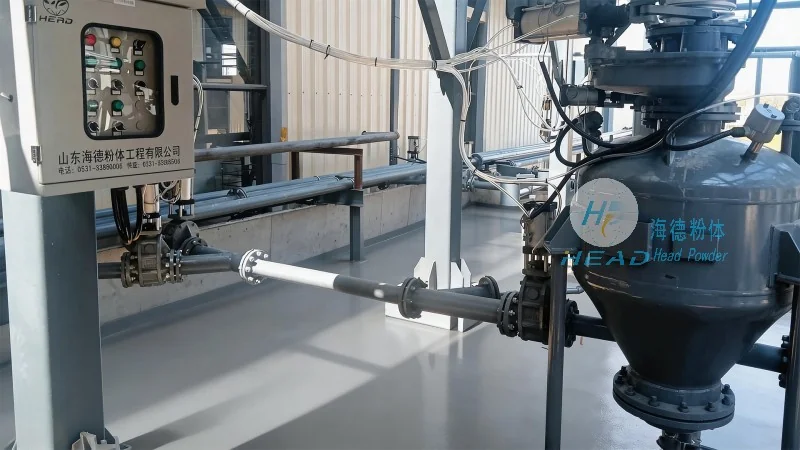
1. Improved Product Quality: Consistent powder flow and controlled feeding lead to uniform coloration in end products, reducing batch-to-batch variations.
2. Enhanced Safety: Proper containment and handling of powders minimize dust emissions and prevent exposure to airborne particles, ensuring a safer working environment.
3. Increased Efficiency: Automated conveying systems reduce labor costs and improve production speed, allowing manufacturers to meet higher demand without compromising quality.
4. Reduced Material Waste: Precise dosing and minimal material loss result in cost savings and a more sustainable operation.
Shandong HeadPowder Engineering Co., Ltd., commonly known as HeadPowder, is a leading provider of specialized equipment and solutions for pigment powder handling. With a focus on innovation and customer satisfaction, HeadPowder offers a range of conveying systems tailored to the unique needs of the paint, ink, and colorant industries. The company's expertise in material science and industrial engineering ensures that their products meet the highest standards of performance and reliability. HeadPowder's commitment to quality and service has made it a trusted partner for businesses seeking to optimize their pigment powder conveying processes.
Pigment powder conveying systems play a vital role in modern industrial production, enabling efficient and safe handling of colorant materials. By understanding the working principles and key features of these systems, manufacturers can enhance their operational efficiency, product quality, and overall competitiveness. With advanced technologies and expert solutions from companies like Shandong HeadPowder Engineering Co., Ltd., the challenges of pigment powder handling can be effectively addressed, supporting the growth and success of the colorant industry.

 Shandong Headpowder Engineering Co., Ltd.
 156-6277-7102(Manager Zhang)
  0531-83386006
  Jinan City, Shandong Province, China
telephone
WeChatconsult
top