

Working Principle and Features of Faced Sand Material Handling
Comprehending the working principle and features of faced sand material handling is essential for enhancing operational efficiency in foundries and related manufacturing environments. Faced sand, a vital component in sand casting processes, demands reliable and efficient transportation systems to maintain consistent quality and productivity. This article explores the underlying mechanisms of faced sand material handling and highlights the key characteristics that define effective systems.
Working Principle of Faced Sand Material Handling
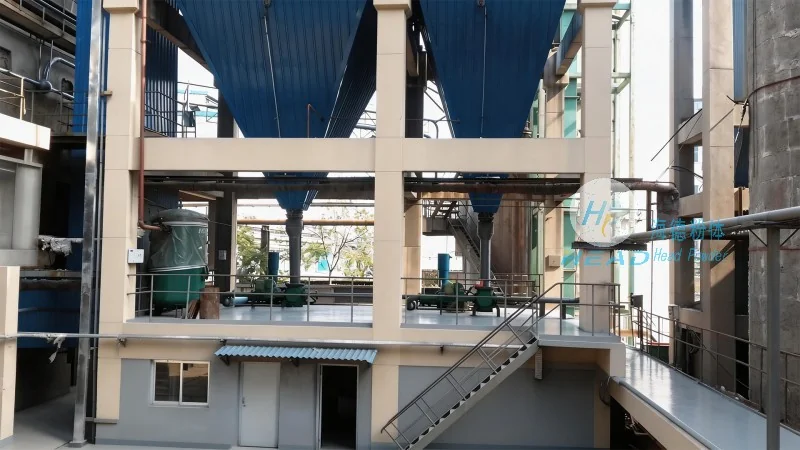
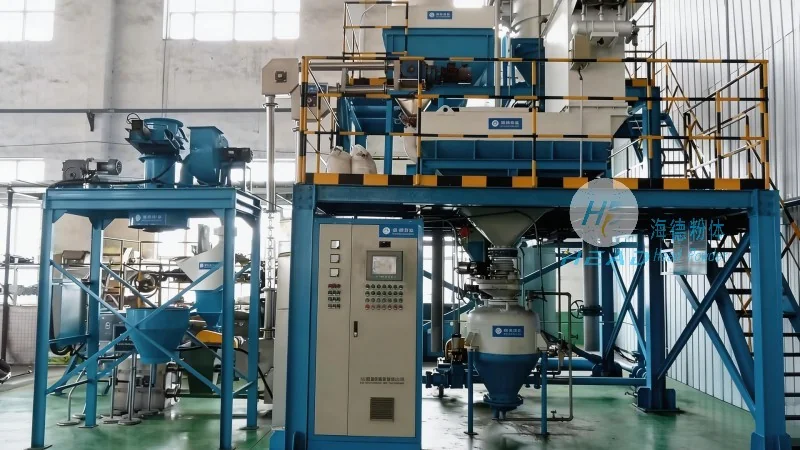
The working principle of faced sand material handling involves a systematic approach to move the sand from storage to the casting process. The process starts with the storage of faced sand in bulk containers or silos. Subsequently, the sand is transferred to a conveyor system, which may include belt conveyors, screw conveyors, or pneumatic systems based on the specific application requirements. The conveyor transports the sand to the molding area where it is utilized in the sand casting process. The entire system is typically automated to minimize human intervention and ensure consistent material flow. Key components such as feeders, hoppers, and control mechanisms collaborate to regulate the speed and volume of sand delivery, guaranteeing a steady supply to the casting process. Automation enhances precision and reduces the risk of material handling errors, which can adversely affect the quality of the final castings.
Key Features of Faced Sand Material Handling Systems
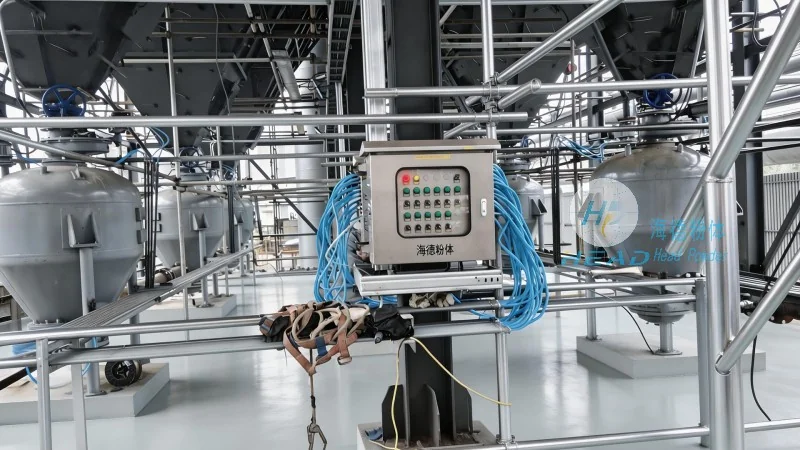
Effective faced sand material handling systems exhibit several notable features that contribute to their efficiency and reliability. One primary feature is the use of durable and wear-resistant materials for conveyor components, such as belts and screws, to endure the abrasive nature of faced sand. This ensures long-term performance and reduces maintenance costs. Another significant feature is the integration of advanced control systems that enable real-time monitoring and adjustment of material flow. These systems can detect variations in sand density or moisture content and adjust conveyor speed accordingly, maintaining optimal conditions for the casting process. Additionally, many modern systems incorporate dust control measures, including dust collection hoods and filtration systems, to minimize environmental impact and improve workplace safety. The modular design of these systems also allows for easy expansion or modification to accommodate changes in production volume or process requirements. This flexibility makes them suitable for both small-scale and large-scale foundries.
About Shandong HeadPowder Engineering Co., Ltd.
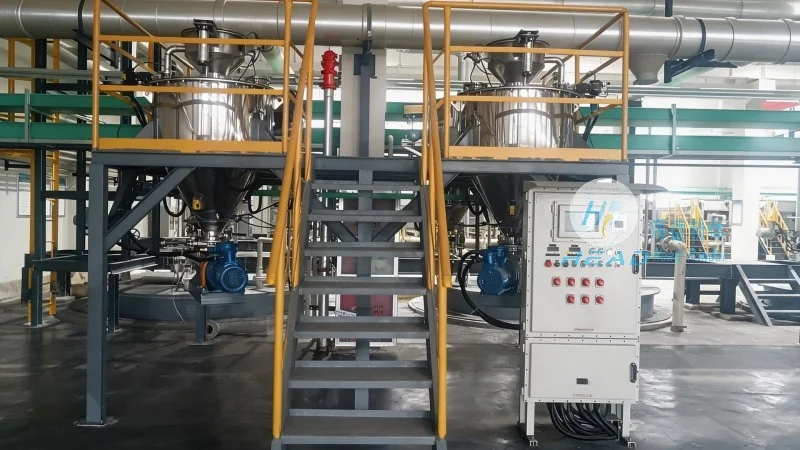
Shandong HeadPowder Engineering Co., Ltd., commonly referred to as HeadPowder, is a leading manufacturer specializing in engineering solutions for the foundry industry. With a focus on innovation and quality, HeadPowder provides comprehensive services including the design, manufacturing, and installation of faced sand material handling systems. The company is headquartered in Shandong, China, and has built a strong reputation for delivering reliable and efficient equipment tailored to the specific needs of its clients. HeadPowder's commitment to customer satisfaction and technological advancement ensures that its products meet the highest industry standards, contributing to improved productivity and reduced operational costs for foundries worldwide.