

Operation Process and Working Principle of Powder Pneumatic Conveying
For industrial applications, efficient and reliable material handling is crucial, and powder pneumatic conveying systems have emerged as a key solution for transporting dry powders like pigments. This article delves into the operation process and working principle of such systems, highlighting how they enhance productivity while ensuring safety and precision in material transport. The following sections provide a comprehensive overview, integrating technical insights with practical applications.
Introduction to Powder Pneumatic Conveying
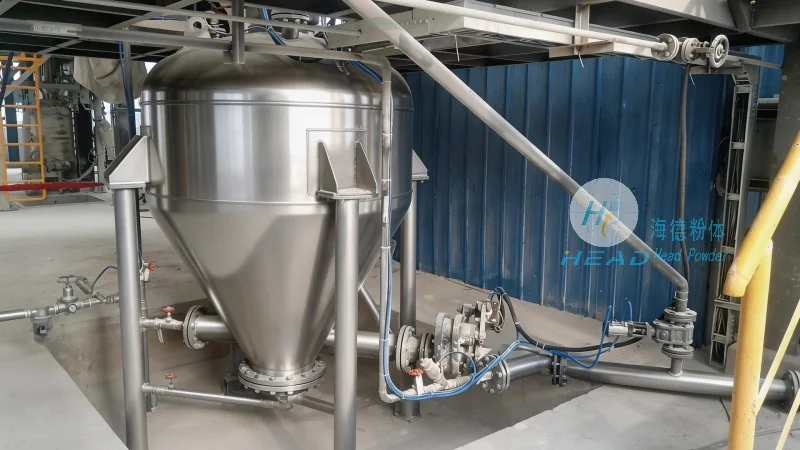
Powder pneumatic conveying, also known as pneumatic transport, is a method of moving dry bulk materials through a pipeline using compressed air or other gases. This technology is widely used in industries such as chemicals, food processing, and pharmaceuticals, where the handling of fine powders requires minimal contamination and high efficiency. The system typically consists of a hopper, a conveyor line, a venturi or other air delivery device, and a receiver or collection unit. Each component plays a vital role in the overall operation, ensuring smooth and consistent material flow.
Working Principle of the System
The core principle of powder pneumatic conveying is based on the interaction between the material particles and the air stream. When compressed air is introduced into the hopper, it creates a low-pressure zone that draws the powder particles into the conveyor line. The air velocity is carefully controlled to maintain a stable flow, preventing particle segregation or blockages. The venturi or air delivery device further accelerates the air, ensuring that the powder particles are suspended and transported efficiently. The system operates under either positive or negative pressure, depending on the specific application and material characteristics. Positive pressure systems use compressed air to push the material through the line, while negative pressure systems use suction to draw the material from the source. The choice of pressure type depends on factors like material density, particle size, and the distance to be covered.
Key Components and Their Functions
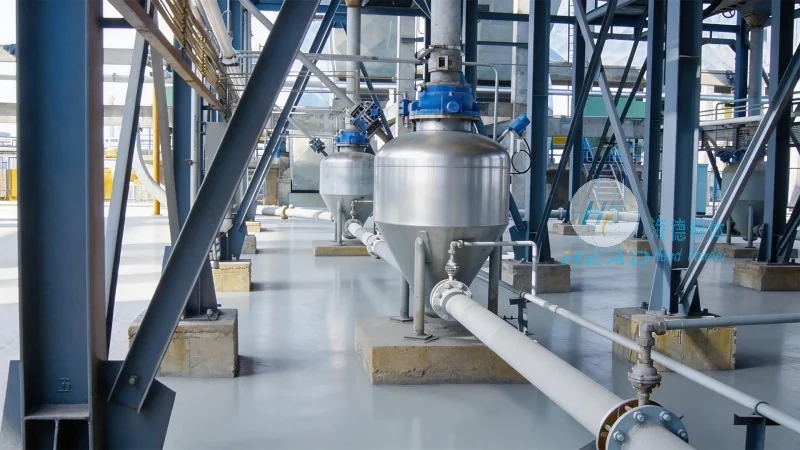
Several critical components are integral to the operation of a powder pneumatic conveying system. The hopper serves as the storage and feeding unit, where the powder is loaded and prepared for transport. It is designed with a conical or rectangular shape to facilitate uniform material flow and prevent clogging. The conveyor line, usually made of stainless steel or other corrosion-resistant materials, is the main pathway for the material and air. The line diameter and length are optimized based on the material's properties and the required throughput. The venturi or air delivery device is responsible for creating the necessary air velocity and pressure drop to move the powder. It consists of a converging and diverging nozzle that accelerates the air, generating the force needed to suspend the particles. The receiver or collection unit is where the transported powder is deposited, often equipped with a dust collection system to maintain air quality and prevent contamination. Additionally, filters and cyclones may be used to separate any fine particles from the air stream, ensuring compliance with environmental regulations.
Operation Process: Step-by-Step Overview
The operation of a powder pneumatic conveying system follows a systematic process, which can be broken down into several key steps. First, the powder is loaded into the hopper from a bulk storage or production line. The hopper is then sealed to prevent air leakage and maintain the internal pressure. Next, compressed air is supplied to the system, either from a compressor or a dedicated air source. The air is regulated to the appropriate pressure and flow rate, which is critical for maintaining the desired conveying velocity. As the air enters the hopper, it creates a vacuum that draws the powder particles into the conveyor line. The powder is then suspended in the air stream and transported through the line to the receiver. At the receiver, the air is released, and the powder is collected in a container or directly into the next processing stage. The system may also include a venting or cleaning cycle to remove any residual powder from the line and ensure that the system is ready for the next batch. Proper maintenance of the components, such as checking for air leaks, cleaning filters, and inspecting the conveyor line for blockages, is essential to ensure consistent performance and prevent downtime.
Advantages and Applications
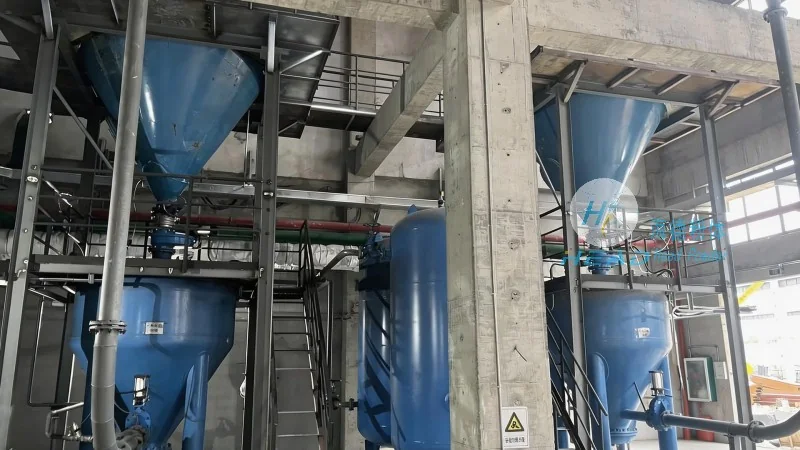
Powder pneumatic conveying offers several advantages over traditional mechanical conveying methods. It is highly efficient, as it can transport materials over long distances with minimal energy consumption. The system is also flexible, as it can handle a wide range of materials, including fine powders, granules, and even bulk solids. Additionally, it provides a clean and hygienic environment, as the material is contained within the pipeline and is not exposed to external contaminants. The system is particularly suitable for applications where contamination control is critical, such as in the food and pharmaceutical industries. Shandong HeadPowder Engineering Co., Ltd., a leading manufacturer of powder handling equipment, specializes in designing and manufacturing customized pneumatic conveying systems tailored to the specific needs of their clients. With years of experience in the industry, the company has developed advanced solutions that enhance productivity and ensure the quality of the transported materials.
Conclusion
Powder pneumatic conveying is a sophisticated and efficient method for transporting dry powders, and understanding its operation process and working principle is essential for optimizing industrial processes. By integrating advanced components and maintaining proper operation, companies can achieve high throughput, minimal downtime, and improved material quality. Shandong HeadPowder Engineering Co., Ltd. continues to innovate in the field of powder handling, providing reliable and effective solutions for their clients worldwide. As the demand for efficient material transport grows, pneumatic conveying systems will remain a vital technology in various industries, ensuring sustainable and productive operations.