

Operation Process and Working Principle of Rice Material Conveying
At Shandong HeadPowder Engineering Co., Ltd., we specialize in the design, manufacturing, and implementation of efficient rice material conveying systems. These systems are crucial for the smooth operation of rice processing facilities, ensuring that raw rice moves from storage to processing stages with minimal loss and maximum efficiency. The following sections will delve into the operation process and working principles of such systems, highlighting key components and their functions.
Key Components of Rice Material Conveying Systems
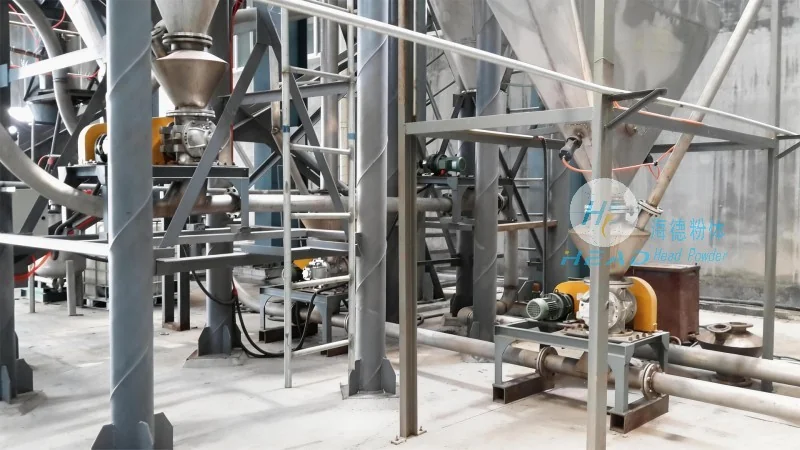
The rice material conveying system typically consists of several interconnected components that work in tandem to transport rice. The primary components include hoppers, conveyors (such as belt conveyors, screw conveyors, or pneumatic conveyors), control panels, and safety mechanisms. Each component plays a vital role in the overall functionality of the system.
1. **Hoppers**: These are large containers used to store raw rice before it is conveyed. Hoppers are designed with sloped sides to facilitate the flow of rice into the conveyor system. They are often made of stainless steel to ensure durability and resistance to corrosion from moisture and other elements.
2. **Conveyors**: There are various types of conveyors used in rice material handling. Belt conveyors are commonly used for horizontal and slight incline transport due to their ability to handle large volumes of material. Screw conveyors, also known as augers, are ideal for vertical or inclined transport, as they can lift rice from lower to higher levels. Pneumatic conveyors, or airslides, use air pressure to move rice through a pipeline, which is particularly useful for long-distance or high-rise transport.
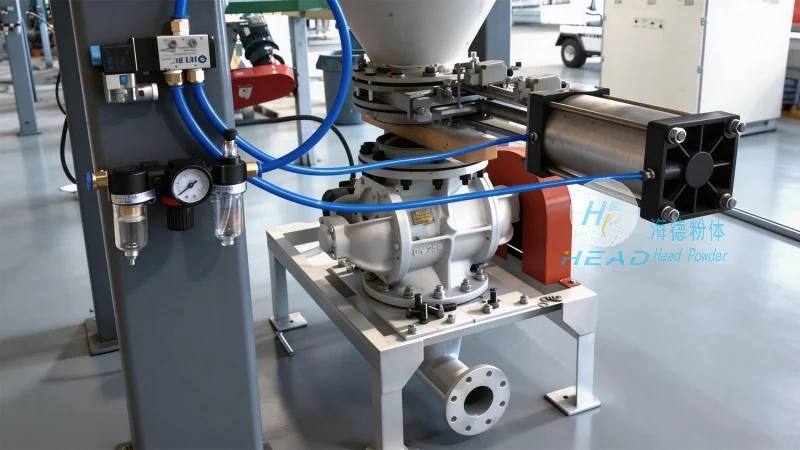
3. **Control Panels**: These systems are equipped with control panels that allow operators to monitor and adjust the conveying process. The panels may include sensors to detect the level of rice in hoppers, speed controls for conveyors, and emergency stop buttons for safety. Modern control systems often incorporate automation features to optimize the conveying process and reduce human intervention.
4. **Safety Mechanisms**: Safety is a top priority in rice material conveying systems. Features such as overload protection, material blockage detection, and emergency stop switches are integrated to prevent accidents and ensure the safety of personnel and equipment.
The Operation Process of Rice Material Conveying
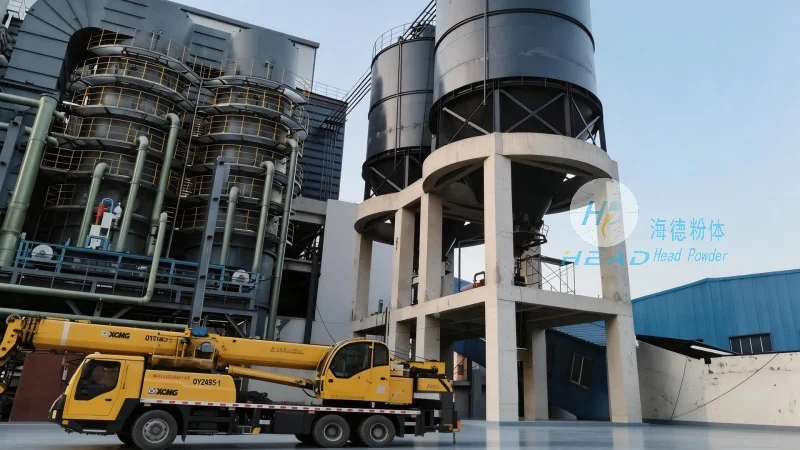
The operation process of a rice material conveying system involves several sequential steps. First, raw rice is loaded into the hopper. The hopper is then filled to a certain level, which is monitored by sensors. Once the hopper is filled, the conveyor system is activated. The conveyor transports the rice from the hopper to the next processing stage, such as cleaning, milling, or packaging.
During the conveying process, the speed of the conveyor can be adjusted based on the volume of rice and the distance to be covered. For example, a belt conveyor might operate at a speed of 2-5 meters per second for horizontal transport, while a screw conveyor might operate at a slower speed of 0.5-1 meter per second for vertical lifting. The control panel allows operators to set these parameters to ensure efficient and consistent transport.
As the rice moves through the conveyor, it may pass through additional processing steps, such as cleaning or sorting. These steps are integrated into the conveying system to streamline the overall process. For instance, a cleaning conveyor might use water and air to remove impurities from the rice before it is conveyed to the milling stage.
The conveying process continues until the rice reaches its final destination, such as a storage silo or a packaging machine. At this point, the conveyor is stopped, and the rice is discharged into the next stage of processing. The entire process is monitored by the control panel, which provides real-time data on the system's performance, including the amount of rice conveyed, the speed of the conveyor, and any potential issues that may arise.
Working Principles of Rice Material Conveying Systems
The working principles of rice material conveying systems are based on the physical properties of rice and the mechanical principles of conveyor technology. The primary principle is the transfer of rice from one location to another using mechanical energy. This energy is typically provided by electric motors that drive the conveyor components.
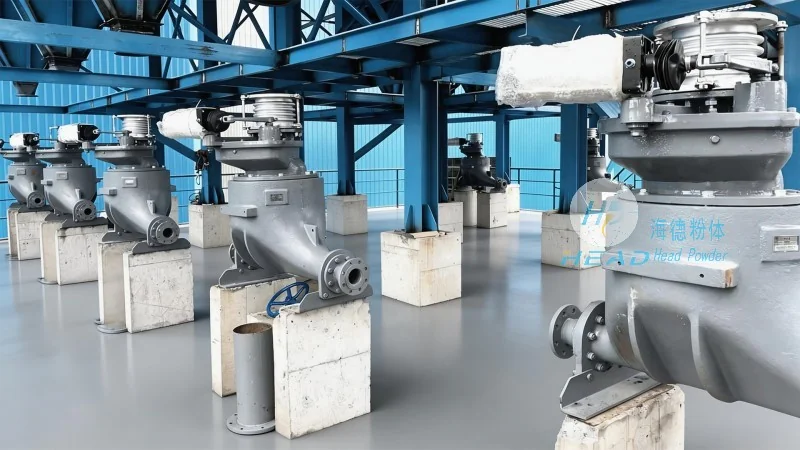
For belt conveyors, the working principle involves a continuous belt that is looped over rollers. The motor drives the rollers, which in turn move the belt. As the belt moves, rice placed on the belt is carried along with it. The slope of the belt can be adjusted to control the speed and direction of the rice movement. For example, a slight incline may be used to move rice from a lower to a higher level, while a horizontal belt is used for level transport.
Screw conveyors operate on a similar principle but use a rotating screw to move rice. The screw is enclosed in a tube, and as it rotates, it pushes the rice forward. The speed of the screw determines the rate of rice transport. Screw conveyors are particularly effective for vertical lifting because the screw can lift rice against gravity.
Pneumatic conveyors, or airslides, work on the principle of air pressure. The system uses a fan to create a flow of air through a pipeline. Rice is placed in the pipeline, and the air flow carries the rice along the pipeline. The pressure and velocity of the air determine the speed and distance of the rice transport. Pneumatic conveyors are ideal for long-distance transport and can handle large volumes of rice.
Control systems play a crucial role in the working principles of rice material conveying systems. They use sensors to detect the level of rice in hoppers, the speed of the conveyor, and any blockages or malfunctions. The control panel processes this data and adjusts the system parameters to maintain optimal performance. For example, if the hopper level is low, the control system may increase the speed of the conveyor to prevent delays. If a blockage is detected, the system may stop the conveyor and alert the operator.
Benefits of Efficient Rice Material Conveying
Efficient rice material conveying systems offer several benefits to rice processing facilities. First, they improve the overall efficiency of the processing line by reducing the time and labor required to move rice from one stage to another. This leads to increased production capacity and lower operational costs.
Second, efficient conveying systems minimize the loss of rice during transport. This is achieved by using smooth conveyors and proper slope angles to prevent rice from spilling or sticking. The use of stainless steel components also reduces the risk of rice contamination from metal particles.
Third, modern conveying systems are equipped with automation features that enhance safety and reduce human error. The control panels allow operators to monitor the system from a central location, reducing the need for manual inspection and adjustment. This not only improves safety but also increases the accuracy of the conveying process.
Fourth, efficient conveying systems can be integrated with other processing equipment to create a seamless production line. For example, a conveying system can be connected to a cleaning machine and a milling machine, allowing rice to move from one stage to the next without manual intervention. This integration improves the overall quality of the final product and reduces the risk of contamination.
Conclusion
In conclusion, rice material conveying systems are essential components of modern rice processing facilities. They ensure the smooth and efficient transport of raw rice from storage to processing stages, minimizing loss and maximizing productivity. At Shandong HeadPowder Engineering Co., Ltd., we are committed to providing high-quality conveying systems that meet the specific needs of our clients. Our systems are designed with durability, efficiency, and safety in mind, and we offer comprehensive support to ensure that our clients achieve optimal performance from their rice material conveying systems.