

What Comprises Rubber Granule Pneumatic Conveying
Understanding the components of rubber granule pneumatic conveying systems is crucial for optimizing material handling efficiency and ensuring reliable operation. The system typically consists of several key components that work in tandem to transport rubber granules from a source to a destination. These components are essential for maintaining the integrity of the material and the overall performance of the conveying process.
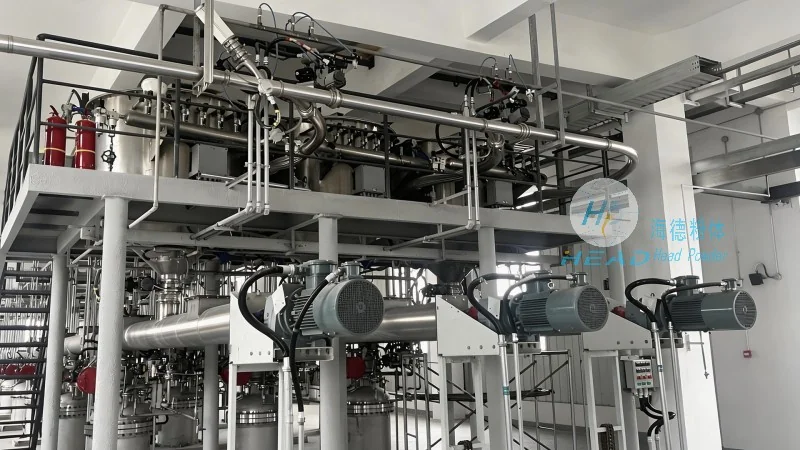
Key Components of Rubber Granule Pneumatic Conveying Systems
The core components of a rubber granule pneumatic conveying system include the material feed system, the conveying pipeline, the air supply system, and the separation and discharge equipment. Each component plays a vital role in the seamless movement of rubber granules through the system.
The Material Feed System
The material feed system is responsible for introducing rubber granules into the conveying line. This component may include a hopper or a bin that stores the rubber granules, along with a feeder such as a rotary valve or a screw feeder. The feeder controls the flow rate of the material, ensuring a consistent and controlled introduction of rubber granules into the system. The design of the feed system is critical to prevent blockages and maintain a steady flow, which is essential for efficient pneumatic conveying.
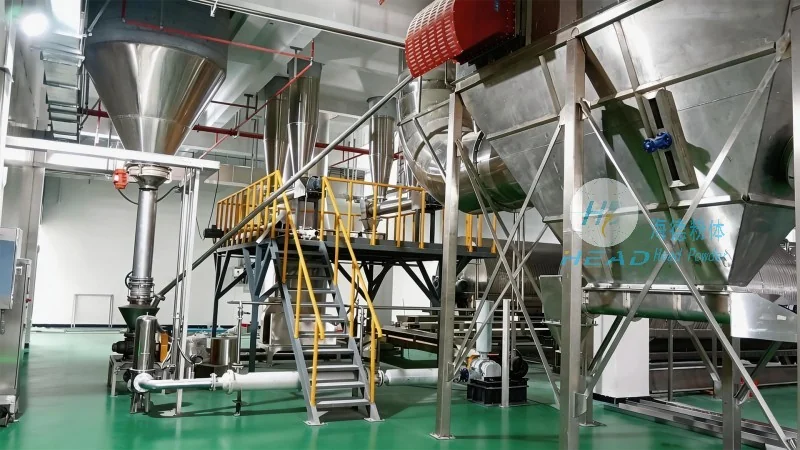
The Conveying Pipeline
The conveying pipeline is the main channel through which rubber granules are transported. It is typically made of materials like stainless steel or plastic, chosen for their resistance to corrosion and wear from the rubber granules. The pipeline is designed with appropriate bends and elbows to guide the material along the desired path. The diameter and length of the pipeline are carefully selected based on the material characteristics, flow rate, and system pressure to ensure optimal performance and minimize energy consumption.
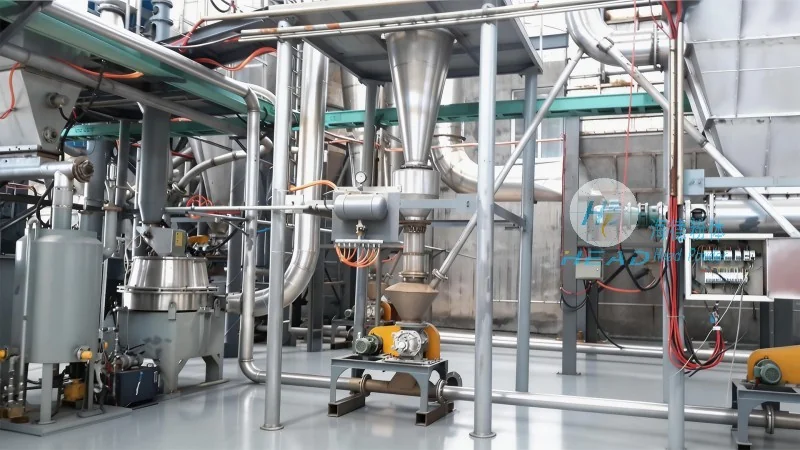
The Air Supply System
The air supply system provides the necessary pressure and volume of air to move the rubber granules through the pipeline. This system includes a blower or a compressor, which generates the airflow, and a filter to remove contaminants from the air. The air pressure and flow rate are critical parameters that determine the conveying capacity and the efficiency of the system. Proper air management is essential to maintain the material's integrity and prevent degradation during transport.
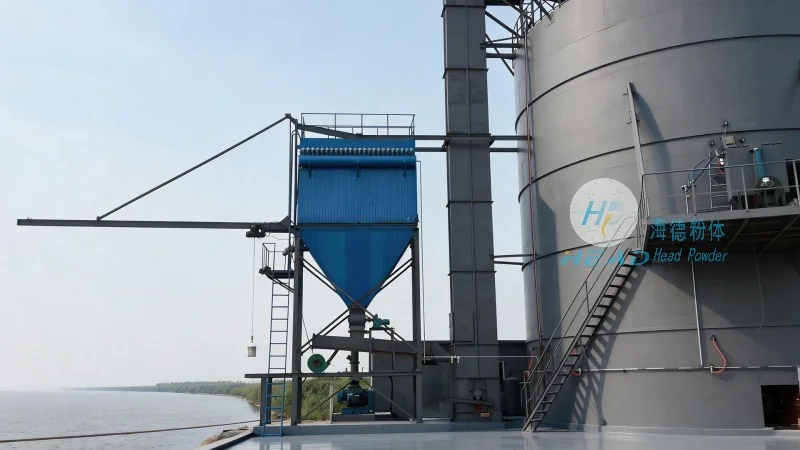
Separation and Discharge Equipment
At the receiving end of the conveying system, separation and discharge equipment is used to separate the rubber granules from the air and direct them to the final destination. This may include a cyclone separator, a bag filter, or a rotary valve. The separator removes the rubber granules from the air stream, while the discharge equipment controls the flow of the material out of the system. The design of this equipment is important to prevent material loss and ensure a clean and efficient discharge process.
Additional Components and Considerations
Depending on the specific application and system requirements, additional components may be included in the rubber granule pneumatic conveying system. These can include pressure regulators to control the air pressure, flow meters to monitor the air flow, and control panels to manage the operation of the system. Proper maintenance of all components is essential to ensure the long-term reliability and efficiency of the system. Regular inspection and cleaning of the pipeline and filters are necessary to prevent clogging and maintain optimal performance.