

Working Principle and Characteristics of Heavy Calcium Powder Pneumatic Conveying
Heavy calcium powder, also known as calcium carbonate powder, is a widely used industrial material in various sectors such as coatings, plastics, and papermaking. The efficient and reliable transportation of this powder is crucial for industrial production processes. Pneumatic conveying, particularly for heavy calcium powder, offers a solution that combines efficiency with safety. This article explores the working principle and key characteristics of heavy calcium powder pneumatic conveying systems, providing insights into how they operate and their advantages in industrial applications.
About HeadPowder Engineering
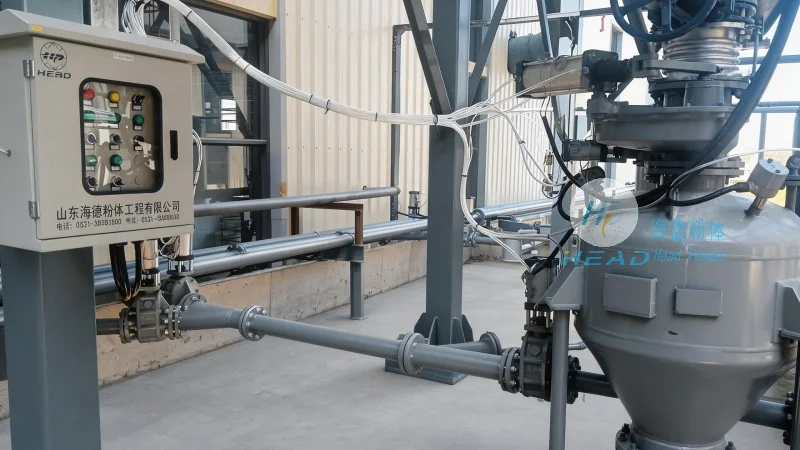
As a leading provider in the field of powder handling and conveying systems, Shandong HeadPowder Engineering Co., Ltd. specializes in designing and manufacturing advanced pneumatic conveying solutions tailored to the needs of industrial clients. With a focus on innovation and quality, HeadPowder Engineering has established itself as a trusted partner for businesses requiring reliable and efficient powder transportation systems. The company's expertise lies in understanding the unique challenges of handling heavy calcium powder and developing customized solutions that meet the specific requirements of each client.
The Working Principle of Heavy Calcium Powder Pneumatic Conveying
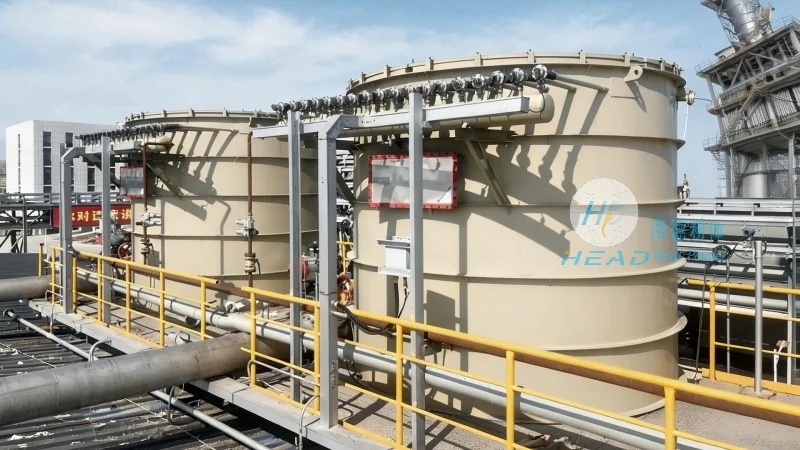
Heavy calcium powder pneumatic conveying systems operate on the principle of using air or gas to transport powder materials through a pipeline. The process typically involves a few key components and steps. First, the heavy calcium powder is fed into a hopper or feeder, where it is then introduced into a pipeline. A fan or blower generates the necessary air flow, which carries the powder particles through the pipeline to the destination point, such as a storage silo or processing unit. The system may use either positive pressure (pressure conveying) or negative pressure (vacuum conveying) to move the powder. In pressure conveying, the air is forced into the pipeline, creating a positive pressure that pushes the powder forward. In vacuum conveying, a vacuum is created at the receiving end, drawing the powder through the pipeline. The choice between these methods depends on factors like the distance, material characteristics, and system layout. The efficiency of the conveying process is influenced by the air velocity, powder flow rate, and the design of the pipeline and components. Properly designed systems ensure that the powder is transported without clogging or degradation, maintaining the quality of the material throughout the process.
Key Characteristics and Advantages of Heavy Calcium Powder Pneumatic Conveying
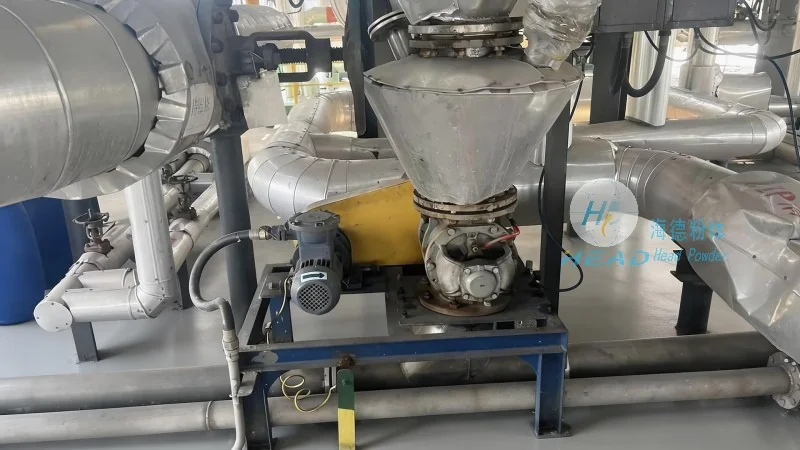
Heavy calcium powder pneumatic conveying systems offer several distinct characteristics and advantages that make them suitable for industrial applications. One of the primary advantages is the ability to transport powder materials in a closed system, which helps to prevent dust emissions and maintain a clean working environment. This is particularly important for heavy calcium powder, which can be fine and generate significant dust if not handled properly. The closed system also protects the powder from contamination and moisture, ensuring that the material remains in its original state. Another key characteristic is the flexibility of the system, as it can be easily integrated into existing production lines or customized to meet specific requirements. The systems can handle varying flow rates and material characteristics, making them adaptable to different production needs. Additionally, pneumatic conveying systems are generally more energy-efficient compared to other methods like bucket elevators or belt conveyors, especially for long-distance or high-volume transport. The design of the pipeline and components, such as the use of appropriate materials and proper air velocity, contributes to the overall efficiency and reliability of the system. The safety features of these systems, including dust collection and explosion-proof designs, further enhance their suitability for industrial use. Overall, the characteristics of heavy calcium powder pneumatic conveying systems make them a preferred choice for industries requiring efficient, safe, and reliable powder transportation solutions.
Conclusion and Company Overview
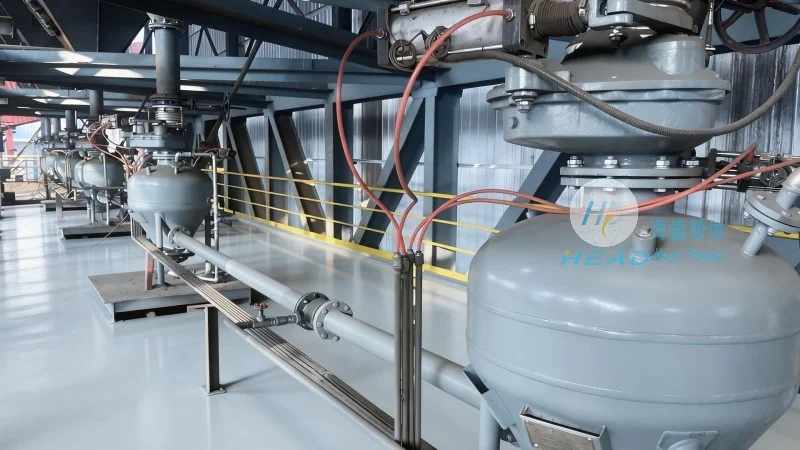
Heavy calcium powder pneumatic conveying systems represent a sophisticated and effective solution for the transportation of calcium carbonate powder in industrial settings. The working principle, which relies on air or gas to move the powder through a pipeline, ensures efficient and safe handling of the material. The key characteristics, including closed system operation, flexibility, and energy efficiency, make these systems ideal for various applications. As a leading provider in this field, Shandong HeadPowder Engineering Co., Ltd. offers advanced pneumatic conveying solutions that are tailored to meet the specific needs of industrial clients. With a focus on quality, innovation, and customer satisfaction, HeadPowder Engineering continues to deliver reliable and efficient powder handling systems that contribute to the success of its clients' operations. By understanding the unique requirements of heavy calcium powder and designing customized solutions, the company ensures that its clients can achieve optimal performance and safety in their production processes.