

Working Principle and Features of Silage Powder Pneumatic Conveying Equipment
Silage powder pneumatic conveying equipment is a specialized system designed for the efficient and safe transportation of silage material in powder form. This technology is widely used in agricultural and food processing industries, particularly for handling silage, which is fermented forage used as animal feed. The equipment plays a crucial role in optimizing the workflow by enabling the movement of silage powder from storage to processing or feeding areas without the need for traditional mechanical conveyors.
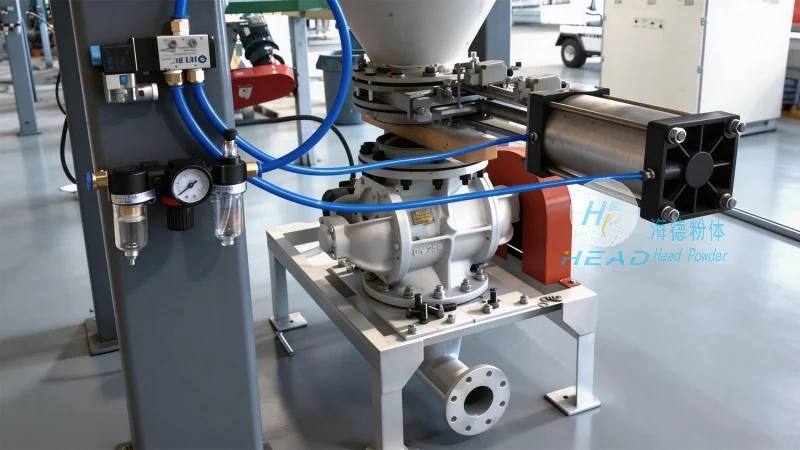
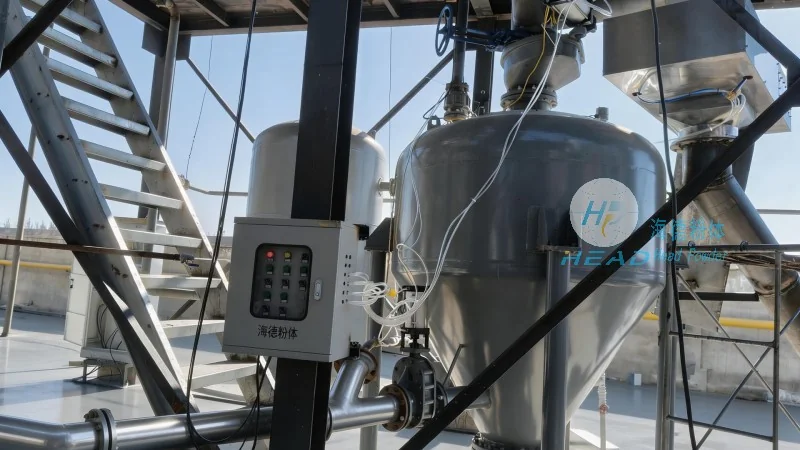
Working Principle of the Pneumatic Conveying System
The core of the silage powder pneumatic conveying equipment is the air-based transport mechanism. The system operates by generating a high-velocity airflow within a pipeline network. As the silage powder is introduced into the system, it is entrained by the air stream and carried through the pipes to the destination point. The working principle can be broken down into several key components: a dust collector or hopper to feed the material, a blower or compressor to generate the air pressure, and a series of pipelines with appropriate valves and controls to direct the flow. The air velocity is carefully controlled to ensure that the silage powder particles are fully suspended and transported without clogging or degradation. The system typically uses positive pressure or negative pressure (vacuum) depending on the application, with positive pressure being more common for long-distance or high-capacity transport due to its efficiency and ability to handle larger volumes.
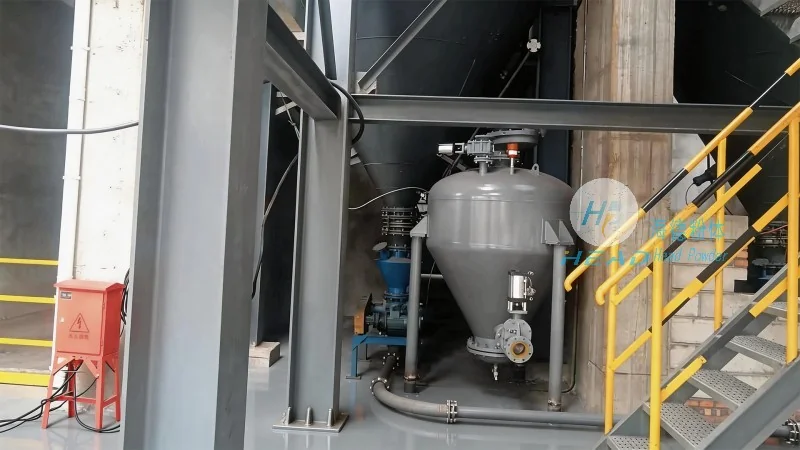
Key Features and Advantages of the Equipment
HeadPowder, a leading manufacturer based in Shandong, China, offers advanced silage powder pneumatic conveying equipment with several notable features. One of the primary advantages is the high efficiency in material handling, as the system can transport large quantities of silage powder over significant distances with minimal energy consumption compared to traditional methods. The equipment is also designed for low maintenance, with robust components that can withstand the abrasive nature of silage particles, reducing downtime and operational costs. Additionally, the system is highly hygienic and dust-free, which is critical for food-grade applications, as it prevents contamination and ensures compliance with industry standards. The modular design allows for easy installation and integration into existing production lines, and the adjustable airflow and pressure controls provide flexibility in handling different types of silage with varying moisture and particle sizes. Another key feature is the environmental friendliness, as the system reduces the need for manual handling and minimizes the risk of dust exposure, contributing to a safer working environment. The equipment also offers precise control over the material flow rate, enabling accurate dosing and consistent quality in the final product.
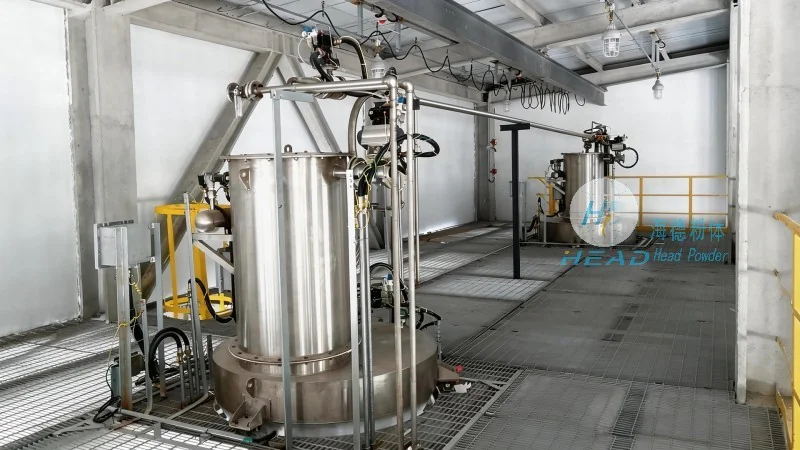
Technical Specifications and Application Scope
The silage powder pneumatic conveying equipment from Shandong HeadPowder Engineering Co., Ltd. is engineered to meet the specific demands of agricultural and food processing operations. The system can handle a wide range of silage types, including corn, alfalfa, and other forage materials, with particle sizes typically ranging from 0.1 to 5 millimeters. The conveying capacity can vary from several tons per hour to over 100 tons per hour, depending on the configuration and the required distance. The equipment is equipped with advanced sensors and control systems that monitor air pressure, flow rate, and material level, ensuring optimal performance and preventing operational issues. The pipelines are made of durable materials such as stainless steel or high-grade plastic to resist corrosion and wear from the silage particles. The dust collection system is integrated to capture any airborne particles, maintaining a clean and safe environment. The equipment is suitable for various applications, including transporting silage from storage silos to feed mills, moving it through processing lines for compaction or drying, and delivering it to feeding stations in livestock farms. It is also used in the production of silage-based animal feed, where consistent and efficient material handling is essential for maintaining product quality and reducing waste.