

Operation Process and Working Principle of Dry Flue Gas Desulfurization Fly Ash Material Conveying
For industrial facilities utilizing flue gas desulfurization (FGD) processes, the efficient handling and transportation of fly ash generated from the desulfurization system is a critical operational requirement. This article provides an in-depth overview of the operation process and working principle of dry FGD fly ash material conveying systems, highlighting the key components, operational steps, and technical considerations involved in ensuring reliable and effective ash management. The information is presented by Shandong HeadPowder Engineering Co., Ltd., a leading provider of engineering solutions for industrial material handling, with offices located in Shandong, China.
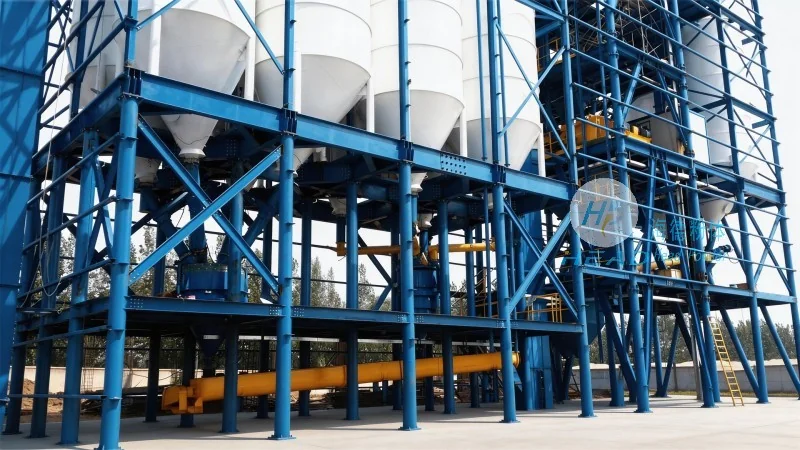
Company Profile: Shandong HeadPowder Engineering Co., Ltd.
Shandong HeadPowder Engineering Co., Ltd. specializes in the design, manufacturing, and installation of advanced material handling systems for various industrial applications. As a reputable company in the field, HeadPowder offers comprehensive solutions tailored to meet the specific needs of clients, including those in power generation, chemical processing, and environmental protection sectors. The company's expertise in dry FGD fly ash conveying technology is built on years of experience and a commitment to delivering high-performance, reliable equipment that enhances operational efficiency and reduces maintenance costs. With a focus on innovation and customer satisfaction, HeadPowder serves clients across China and beyond, providing end-to-end support from project planning to system commissioning.
Understanding Dry Flue Gas Desulfurization (FGD) and Fly Ash
Flue gas desulfurization is a process used to remove sulfur dioxide (SO₂) from exhaust gases produced by combustion of fossil fuels, such as coal or natural gas. The most common method for FGD is wet limestone scrubbing, which results in the generation of fly ash—a fine particulate material that contains calcium sulfate (gypsum) and other byproducts. In dry FGD systems, the ash is collected and processed for reuse or disposal, and the material conveying system plays a vital role in transporting this ash from the collection point to storage or disposal facilities. The efficiency of the conveying process directly impacts the overall performance of the FGD system, as well as the environmental compliance and operational costs of the facility.
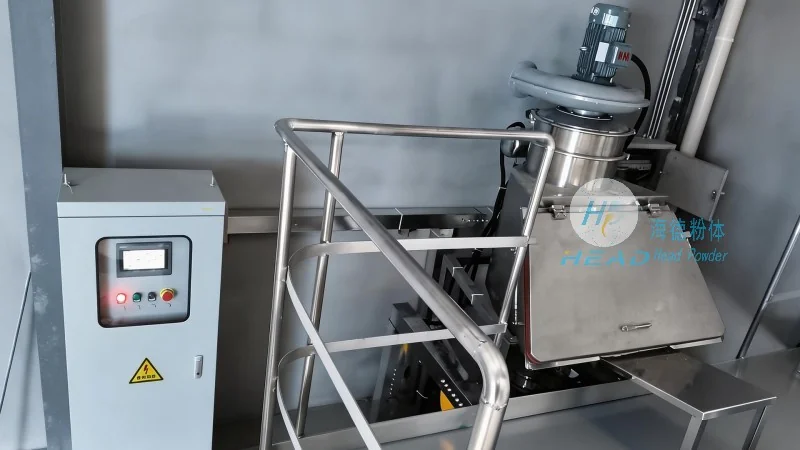
Key Components of Dry FGD Fly Ash Conveying Systems
The dry FGD fly ash material conveying system typically consists of several key components that work in tandem to ensure the smooth and reliable transport of ash. These components include ash collection hoppers, conveyor belts or screw conveyors, dust collection systems, and control panels. The ash collection hoppers are designed to collect the fly ash from the FGD reactor or absorber, ensuring that the material is contained and ready for transport. Conveyor belts or screw conveyors are used to move the ash from the collection point to the storage or disposal area, with the choice of equipment depending on the specific characteristics of the ash, such as particle size, moisture content, and flowability. Dust collection systems are integrated into the conveying process to capture and filter any airborne particles, ensuring compliance with environmental regulations and maintaining a safe working environment. Control panels provide operators with real-time monitoring and control of the conveying system, allowing for adjustments to be made as needed to optimize performance and prevent equipment failure.
Operation Process of Dry FGD Fly Ash Material Conveying
The operation process of a dry FGD fly ash material conveying system involves several sequential steps that ensure the efficient and continuous transport of ash. The process begins with the collection of fly ash from the FGD reactor or absorber, where the ash is deposited into the collection hoppers. From there, the ash is transferred to the conveyor system, which moves the material along the designated path to the storage or disposal facility. The conveyor system operates continuously, with the ash being fed at a controlled rate to maintain a steady flow. During the conveying process, the dust collection system continuously removes any airborne particles, preventing dust emissions and maintaining a clean environment. The control panel monitors the system's performance, including the speed of the conveyor, the level of ash in the hoppers, and the pressure in the dust collection system. Any deviations from the normal operating parameters are detected and alerts are sent to the operators, allowing for timely intervention to prevent equipment damage or system failure. The entire process is designed to be automated to a large extent, minimizing the need for manual intervention and ensuring consistent performance.
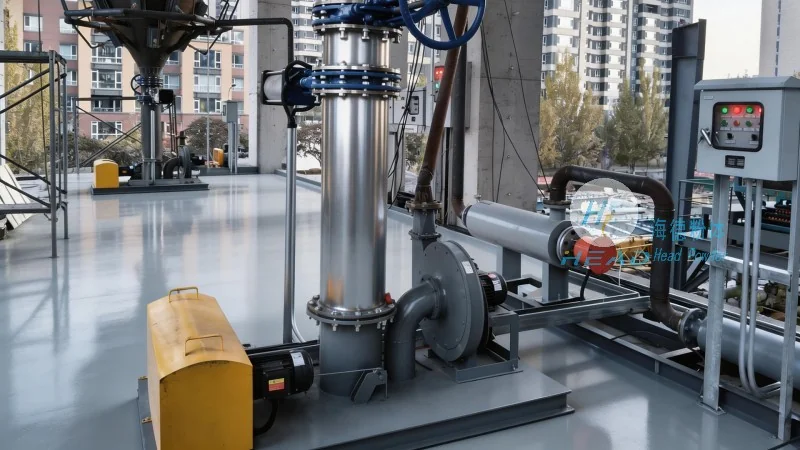
Working Principle of Dry FGD Fly Ash Conveying Systems
The working principle of dry FGD fly ash material conveying systems is based on the principles of mechanical transport and dust control. The system relies on the use of conveyor belts or screw conveyors to move the ash from the collection point to the destination. The conveyor belt system uses a series of rollers and a drive motor to move the belt, which carries the ash along its path. The screw conveyor system, on the other hand, uses a rotating screw to push the ash forward. Both systems are designed to handle the fine, dry ash particles efficiently, with the screw conveyor being particularly effective for materials with high moisture content or sticky properties. The dust collection system operates by using filters or cyclones to capture the airborne particles, which are then collected in a hopper for disposal or reuse. The control panel uses sensors and sensors to monitor the system's performance and adjust the conveyor speed or other parameters as needed to maintain optimal operation. The entire system is designed to be energy-efficient and low-maintenance, with components that are easy to replace and service, reducing the overall operational costs for the facility.
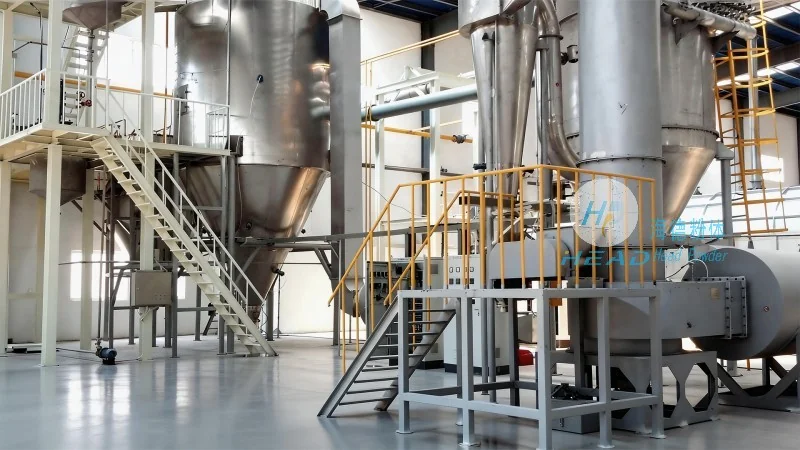
Benefits and Considerations for Dry FGD Fly Ash Conveying
Implementing a dry FGD fly ash material conveying system offers several benefits to industrial facilities, including improved operational efficiency, reduced environmental impact, and lower maintenance costs. The system allows for the continuous and reliable transport of ash, ensuring that the FGD process operates smoothly and that the facility remains in compliance with environmental regulations. The dust collection system helps to minimize dust emissions, reducing the risk of air pollution and improving the working conditions for personnel. Additionally, the automated control system reduces the need for manual labor, improving safety and reducing labor costs. However, there are also some considerations to keep in mind when implementing such a system. The system requires regular maintenance to ensure optimal performance, and the choice of equipment must be based on the specific characteristics of the ash, such as particle size, moisture content, and flowability. The system also needs to be designed to handle the high temperatures and corrosive nature of the ash, which can cause wear and tear on the components. Overall, a well-designed and properly maintained dry FGD fly ash conveying system can provide significant benefits to industrial facilities, enhancing their operational performance and environmental compliance.
Conclusion
In conclusion, the operation process and working principle of dry flue gas desulfurization fly ash material conveying systems are critical components of the FGD process, ensuring the efficient and reliable handling of fly ash generated from the desulfurization system. The system involves several key components, including ash collection hoppers, conveyor belts or screw conveyors, dust collection systems, and control panels, all working together to transport the ash from the collection point to the storage or disposal facility. The operation process is designed to be automated and continuous, with real-time monitoring and control to ensure optimal performance. The working principle is based on mechanical transport and dust control, with the system designed to be energy-efficient and low-maintenance. By implementing a well-designed dry FGD fly ash conveying system, industrial facilities can enhance their operational efficiency, reduce environmental impact, and lower maintenance costs. Shandong HeadPowder Engineering Co., Ltd. offers comprehensive solutions for dry FGD fly ash conveying systems, with expertise in designing and installing high-performance equipment tailored to meet the specific needs of clients. With offices located in Shandong, China, HeadPowder serves clients across the region and beyond, providing end-to-end support from project planning to system commissioning.