

Operation Process and Working Principle of Grain Material Pneumatic Conveying Machines
Grain material pneumatic conveying machines are essential equipment in modern grain handling and processing industries. These systems utilize air pressure to transport bulk materials like grains, powders, and other granular substances from one location to another. The operation process and working principle of such machines involve a series of integrated steps that ensure efficient and reliable material transport, minimizing downtime and operational costs for agricultural and food processing facilities.
Introduction to Pneumatic Conveying Systems for Grain Materials
At Shandong HeadPowder Engineering Co., Ltd., we specialize in designing and manufacturing advanced pneumatic conveying solutions tailored to the unique needs of grain processing operations. Our expertise lies in developing systems that optimize material flow, maintain product integrity, and enhance overall operational efficiency. The following content provides a detailed overview of how these machines operate and the underlying principles that drive their functionality.
Company Overview: HeadPowder Engineering
HeadPowder Engineering, a leading manufacturer based in Shandong, China, has established itself as a trusted partner in the grain processing sector. With years of experience in engineering, manufacturing, and installation of pneumatic conveying systems, the company focuses on delivering high-quality, durable equipment that meets international standards. Our commitment to innovation and customer satisfaction has positioned us as a key player in providing reliable solutions for grain handling challenges.
The Operation Process of Pneumatic Conveying Machines
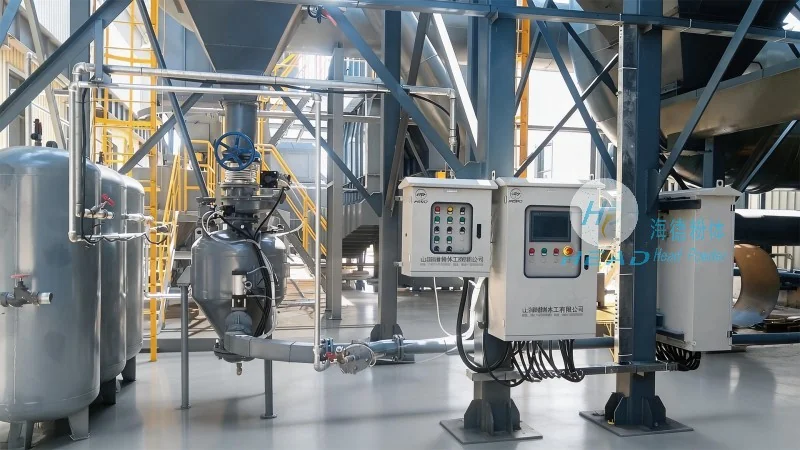
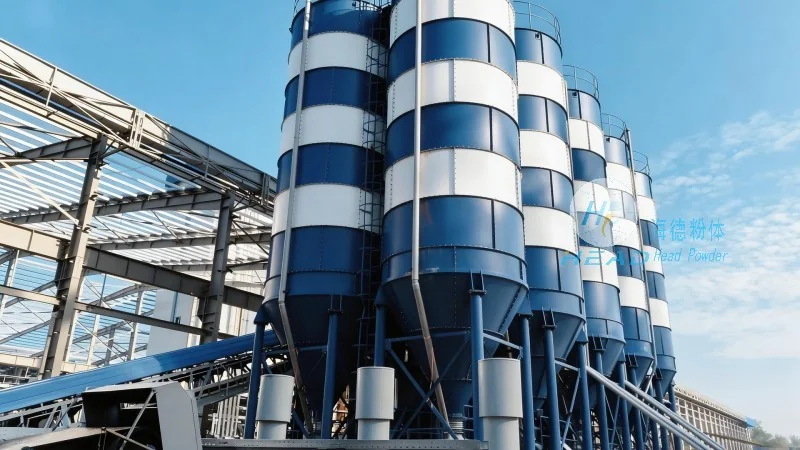
The operation process of a grain material pneumatic conveying machine typically involves several sequential steps. First, the material is fed into the system via a hopper or feeder, where it is prepared for transport. Next, a fan or blower generates the necessary air pressure, creating a flow that propels the material through the pipeline. The material is carried in the air stream, often in a dilute phase (where particles are suspended in the air) or a dense phase (where particles are more concentrated). The system then delivers the material to the destination point, such as a silo, storage bin, or processing unit. Throughout the process, the machine ensures consistent flow rates and pressure levels to maintain optimal performance.
Working Principle Explained
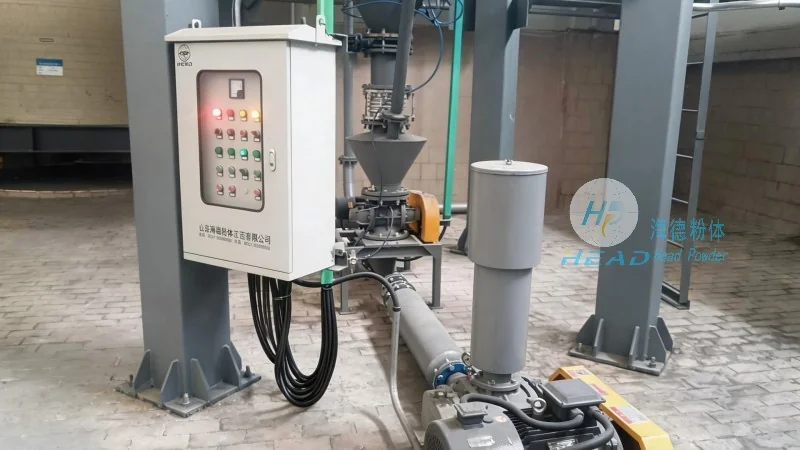
The working principle of pneumatic conveying machines is based on the fundamental concept of fluid dynamics and particle transport. When air is forced through a pipeline at a high velocity, it creates a pressure differential that moves the material along with it. The key components, including the fan, hopper, pipeline, and receiver, work in harmony to achieve this. The fan provides the motive force, while the hopper ensures a steady supply of material. The pipeline's design, including bends and valves, is critical to maintaining the air flow and preventing material buildup or blockages. The receiver collects the conveyed material, completing the cycle.
Key Components and Their Roles
Several critical components contribute to the effective operation of a pneumatic conveying system. The fan or blower is the primary driver, generating the air pressure required to move the material. The hopper or feeder regulates the material feed rate, ensuring a consistent flow into the system. The pipeline, made of durable materials like stainless steel or plastic, transports the material and air mixture. Bends and elbows are strategically placed to guide the flow and minimize friction losses. Valves control the direction and flow rate of the material, while the receiver collects the discharged material. Each component plays a vital role in maintaining the system's efficiency and reliability.
Advantages of Pneumatic Conveying in Grain Handling
Compared to traditional mechanical conveying methods, pneumatic conveying offers several advantages in grain handling applications. These include reduced labor costs, as the system automates material transport, and improved product quality, as the enclosed pipeline prevents contamination and dust exposure. Additionally, pneumatic systems are flexible, allowing for easy reconfiguration and expansion as operational needs change. The technology also minimizes material degradation, as the air flow is gentle and the system operates at controlled temperatures. For grain processing facilities, these benefits translate into enhanced productivity, lower maintenance costs, and increased safety in the workplace.
Conclusion
Grain material pneumatic conveying machines, as exemplified by the solutions offered by Shandong HeadPowder Engineering Co., Ltd., represent a sophisticated and efficient approach to bulk material handling. By understanding the operation process and working principles, users can appreciate the technology's capabilities and make informed decisions about implementing such systems in their operations. With continued innovation and adherence to quality standards, pneumatic conveying will remain a cornerstone of modern grain processing and agricultural industries.