

What is a Cement Raw Material Powder Conveying Line? And What Are Its Design Principles?
HeadPowder, a professional engineering company based in Shandong, China, specializes in the design, manufacturing, and installation of advanced powder conveying systems. With years of experience in the cement industry, HeadPowder has developed cutting-edge solutions for efficient raw material handling, ensuring high performance and reliability in production processes.
What is a Cement Raw Material Powder Conveying Line?
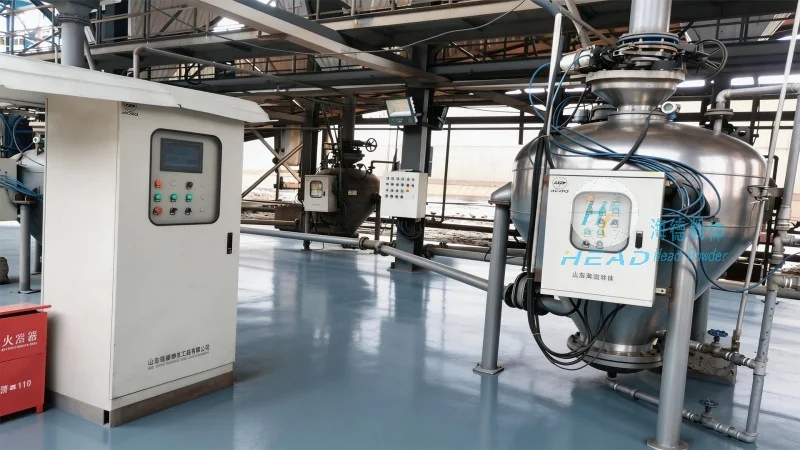
A cement raw material powder conveying line is a specialized system engineered to transport bulk raw materials, such as limestone, clay, and iron ore, from storage silos or quarries to the cement production plant. These materials are typically in a fine powder form and require a reliable, low-dust, and energy-efficient conveying method to ensure smooth operation in the cement manufacturing process. The system integrates various components, including feeders, conveyors, and control systems, to achieve seamless material transfer while maintaining product quality and minimizing environmental impact.
Design Principles of the Cement Raw Material Powder Conveying Line
The design of a cement raw material powder conveying line is based on several key principles to ensure optimal performance and efficiency. First, the system must prioritize material flow stability, preventing blockages or uneven flow that could disrupt production. This is achieved through the use of appropriate feeding mechanisms, such as rotary feeders or screw conveyors, which regulate the material discharge rate from storage silos. Second, the conveying method must minimize dust generation and environmental contamination. HeadPowder’s systems often incorporate dust collection and filtration systems, along with sealed conveyor components, to maintain a clean and safe working environment. Third, energy efficiency is a critical design consideration. The selection of conveyor types, such as pneumatic or mechanical systems, is based on factors like material properties, distance, and capacity, to optimize power consumption. Additionally, the system is designed for easy maintenance and scalability, allowing for future expansion or upgrades as production needs evolve.
Key Components and Technologies in the Conveying Line
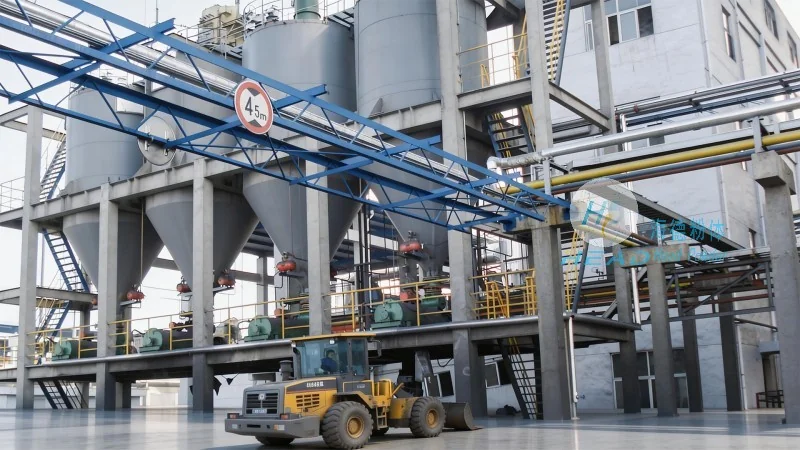
The cement raw material powder conveying line typically consists of several key components that work in tandem to ensure efficient material transfer. The primary components include raw material storage silos, which store the bulk raw materials in bulk. From the silos, rotary feeders or gate valves control the material flow into the conveying system. The conveying equipment, which can be pneumatic (air-swept) or mechanical (e.g., belt conveyors, screw conveyors, or bucket elevators), transports the powder to the cement production plant. Pneumatic systems use compressed air to move the material through a pipeline, while mechanical systems rely on mechanical power to drive the conveyor. The system also includes a control panel that monitors and regulates the flow rate, pressure, and other parameters to maintain stable operation. Additionally, dust suppression systems, such as cyclone separators or bag filters, are integrated to capture and remove airborne particles, ensuring compliance with environmental regulations and worker safety.
Application in Cement Production
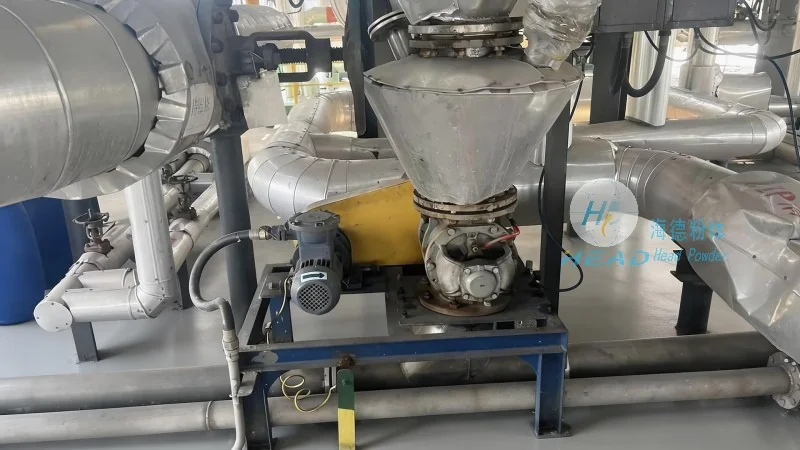
In the cement manufacturing process, the raw material powder conveying line plays a vital role in the first stage of production. The raw materials are first crushed and ground into a fine powder, which is then mixed with other additives to form the raw meal. The conveying line transports this raw meal to the preheater or kiln, where it is further processed into clinker. The efficiency of the conveying line directly impacts the overall production capacity and quality of the cement. A well-designed system ensures a consistent supply of raw materials, reducing downtime and improving the uniformity of the raw meal. This, in turn, enhances the quality of the final cement product and reduces energy consumption in the kiln operation.
Advantages of the HeadPowder Conveying Line
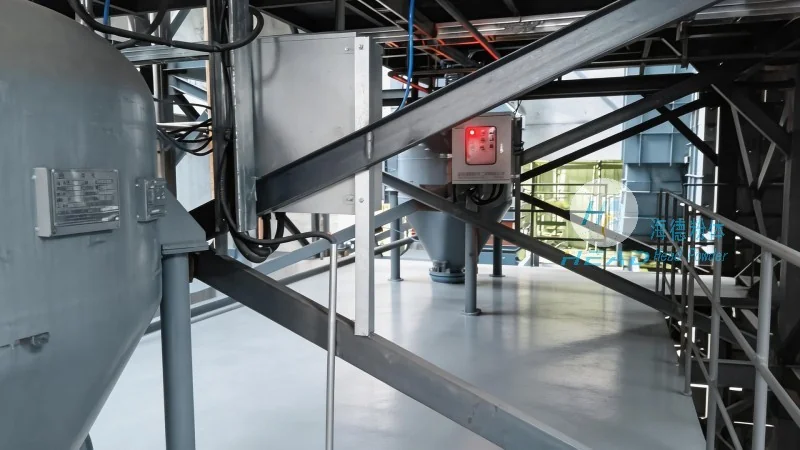
HeadPowder’s cement raw material powder conveying line offers several advantages that make it a preferred choice for cement manufacturers. First, the system is designed for high capacity and reliability, capable of handling large volumes of raw materials with minimal maintenance. The use of durable materials and advanced manufacturing techniques ensures long service life and low operational costs. Second, the system is highly energy-efficient, with optimized conveyor designs that reduce power consumption compared to traditional methods. Third, the dust suppression and environmental control features minimize the impact on the environment and comply with local regulations. Additionally, the modular design allows for easy integration with existing production lines and future expansion, providing flexibility for growing businesses. The system also includes advanced control systems that provide real-time monitoring and data analysis, enabling operators to optimize performance and detect potential issues before they become major problems.
Conclusion
HeadPowder’s cement raw material powder conveying line is a sophisticated and reliable solution for the efficient handling of bulk raw materials in cement production. By integrating advanced design principles, durable components, and energy-efficient technologies, the system ensures smooth operation, high product quality, and minimal environmental impact. With its focus on performance, reliability, and sustainability, HeadPowder’s conveying line is an essential component for modern cement manufacturers seeking to optimize their production processes and meet industry standards.