

What is a Fiber Powder Pneumatic Conveying System? And What Are Its Design Principles?
Understanding fiber powder pneumatic conveying systems is crucial for industries dealing with fine, fibrous materials. These systems are engineered to transport bulk materials through a pipeline using a gas stream, typically air. The design principles behind such systems are intricate, balancing efficiency, material integrity, and operational reliability.
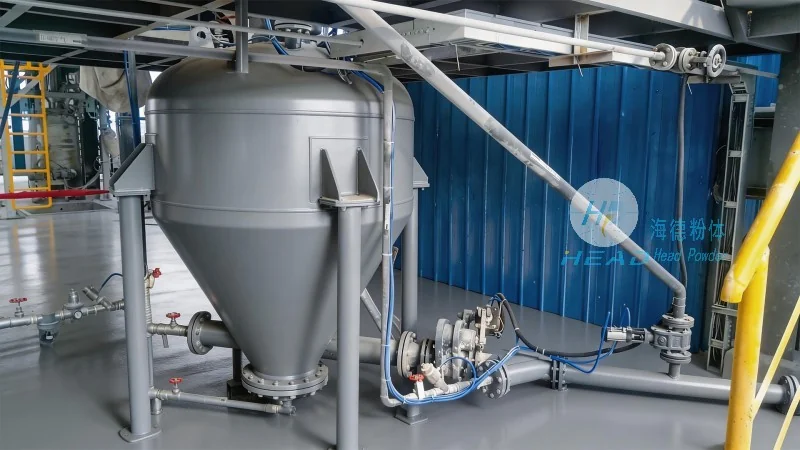
What is a Fiber Powder Pneumatic Conveying System?
A fiber powder pneumatic conveying system is a specialized equipment setup used to transport dry, fine materials that often contain fibrous components. Unlike traditional bulk material handling methods like belt conveyors or screw conveyors, pneumatic conveying systems use compressed air or other gases to move materials through a pipeline. This method is particularly suitable for materials that are difficult to handle due to their fine particle size, high moisture content, or fibrous nature, which can cause clogging or degradation in other systems.
Key Components of the System
The core components of a fiber powder pneumatic conveying system include the material hopper, feeder, air compressor, conveying line, and receiver. The material hopper stores the bulk material, while the feeder controls the flow rate of the material into the system. The air compressor generates the necessary pressure to move the material through the pipeline. The conveying line, often made of metal or plastic, transports the material and air mixture. Finally, the receiver collects the material at the destination point.
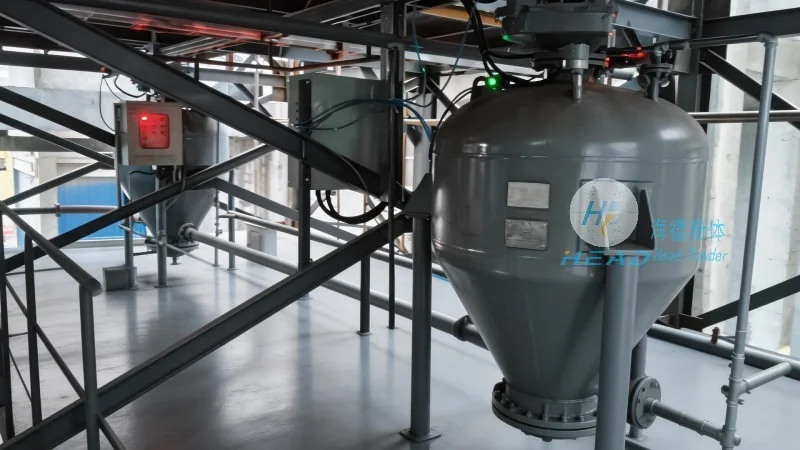
Design Principles and Considerations
The design of a fiber powder pneumatic conveying system involves several critical principles to ensure optimal performance. One of the primary considerations is the material's physical properties, such as particle size, density, and fibrous content. These properties dictate the required air velocity and pressure to achieve efficient transport without causing material degradation or blockages. For example, materials with high fibrous content may require higher air velocities to prevent clogging in the pipeline.
Another key design principle is the system's capacity and flow rate. Engineers must calculate the appropriate air volume and pressure to handle the desired material throughput. This involves considering factors like the material's bulk density and the system's length and diameter. Proper sizing of the conveying line and air compressor is essential to maintain the material in a suspended state, preventing deposition and ensuring smooth flow.
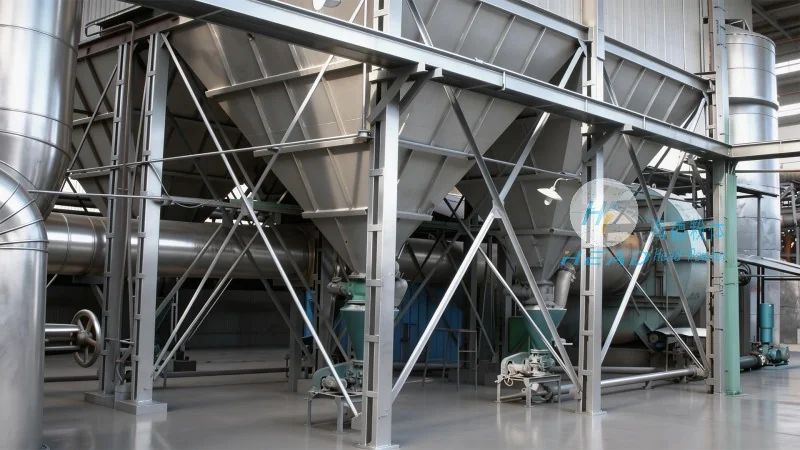
Advantages of Fiber Powder Pneumatic Conveying
Implementing a fiber powder pneumatic conveying system offers several advantages over traditional handling methods. First, it eliminates the need for mechanical components like belts or screws, reducing maintenance and operational costs. Second, it provides a clean and dust-free transfer process, which is beneficial for maintaining material quality and compliance with environmental regulations. Third, the system can handle a wide range of materials, including those with high moisture content or abrasive properties, without causing damage.
Applications in Various Industries
Fiber powder pneumatic conveying systems are widely used across multiple industries. In the pharmaceutical industry, they are used to transport fine powders and granules, ensuring sterile and contamination-free handling. In the food industry, they are employed to move ingredients like flour, sugar, and spices, maintaining product quality and hygiene. The chemical industry also utilizes these systems for transporting various powders and chemicals, including those with hazardous properties. Additionally, in the agricultural sector, they are used to handle feed ingredients and other bulk materials.
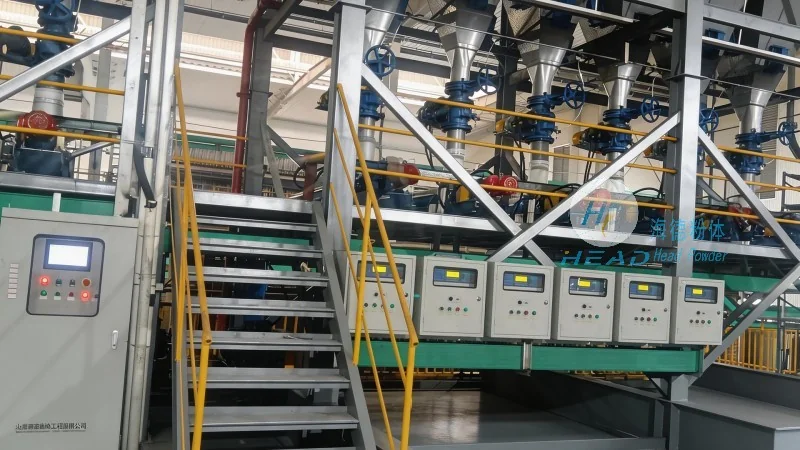
Customization and Integration
Shandong HeadPowder Engineering Co., Ltd., a leading manufacturer in this field, specializes in designing and manufacturing customized fiber powder pneumatic conveying systems. The company, often referred to as HeadPowder, provides tailored solutions based on the specific needs of each client. Their systems are engineered to meet the unique requirements of different industries, ensuring optimal performance and reliability. The company's expertise lies in understanding the material properties and operational conditions to design systems that maximize efficiency and minimize downtime.
Conclusion
Fiber powder pneumatic conveying systems are sophisticated solutions for handling fine, fibrous materials. Their design principles, which focus on material properties, system capacity, and operational efficiency, make them an ideal choice for industries seeking reliable and efficient bulk material transport. With proper design and maintenance, these systems can significantly improve production processes and reduce operational costs. As a trusted provider, Shandong HeadPowder Engineering Co., Ltd. continues to innovate and deliver high-quality pneumatic conveying systems that meet the evolving needs of various industries.