Intermittent feeding powder material handling systems represent a critical technology in the processing and transportation of bulk solid materials. These systems are designed to handle powders, granules, and other particulate materials with precision and efficiency, making them indispensable in various industrial applications such as pharmaceuticals, food processing, and chemical manufacturing. Understanding the working principle and key characteristics of these systems is essential for selecting the right equipment for specific operational needs.
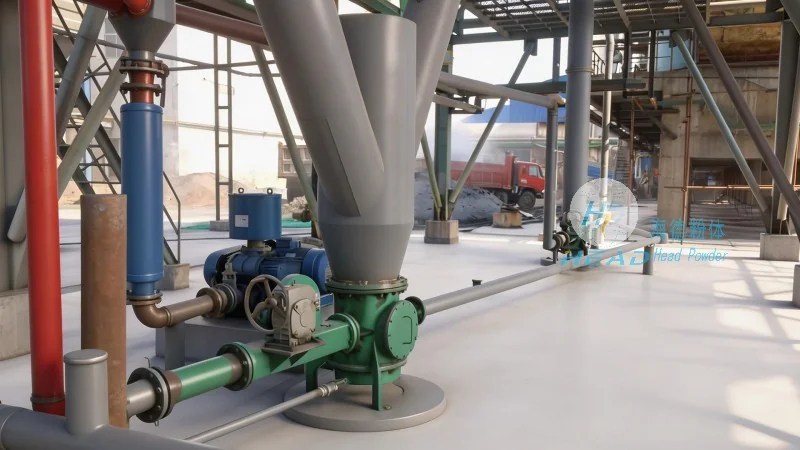
The core of an intermittent feeding system lies in its ability to transport materials in discrete, controlled batches rather than continuously. This is achieved through a combination of mechanical components that control the flow, such as feeders, hoppers, and control valves. The process typically begins with the material being stored in a hopper, where it is held under controlled conditions to prevent segregation or degradation. When the system is activated, the feeder mechanism (e.g., a rotary valve or screw feeder) begins to move the material in a controlled manner into the conveying line. The feeding action is often synchronized with the conveying system, ensuring that the material is moved in precise, intermittent steps. This controlled movement allows for accurate dosing and prevents overloading or underloading of the downstream equipment. The system may also incorporate sensors and control systems to monitor the material level, flow rate, and other parameters, providing real-time feedback to adjust the feeding process as needed. The intermittent nature of the operation helps maintain consistent material quality and reduces the risk of material bridging or caking in the hopper, which can occur with continuous feeding systems.
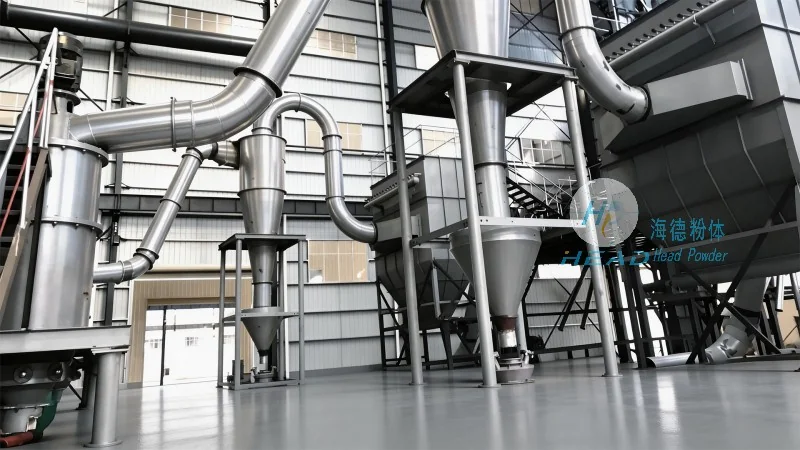
Several distinct characteristics define intermittent feeding powder handling systems, each contributing to their effectiveness in industrial settings. First, the precision in material dosing is a primary advantage. By controlling the feeding rate and batch size, these systems can deliver exact quantities of material, which is crucial for processes that require strict dosage control, such as in pharmaceutical production or chemical formulation. Second, the ability to handle a wide range of materials is another key characteristic. Intermittent feeders can accommodate materials with varying properties, including different particle sizes, densities, and flow characteristics, without requiring significant modifications to the system. This versatility makes them suitable for diverse applications across multiple industries. Third, the reduced risk of material degradation is an important feature. Since the material is not in constant motion, there is less opportunity for friction or heat generation, which can degrade sensitive materials like pharmaceuticals or food products. Additionally, the controlled environment within the hopper and feeder helps maintain material integrity, preventing contamination or loss of quality. Fourth, the system's reliability and durability are notable characteristics. Intermittent feeders are typically constructed with robust materials and components that can withstand the rigors of continuous industrial use, ensuring long-term performance and minimal downtime. The mechanical simplicity of these systems also contributes to their reliability, as fewer moving parts mean fewer points of failure compared to more complex continuous systems.
Intermittent feeding powder handling systems find extensive applications across various industries due to their ability to meet specific operational requirements. In the pharmaceutical industry, for example, these systems are used to handle active pharmaceutical ingredients (APIs) and excipients with high precision, ensuring that the correct dosage is delivered in each batch. The controlled environment and precise dosing help maintain the quality and purity of the final product, which is critical for regulatory compliance. In food processing, intermittent feeders are employed to handle ingredients like flour, sugar, and spices, where consistent quality and accurate dosing are essential for product consistency and consumer safety. The ability to handle different food products without cross-contamination is also a significant benefit. In chemical manufacturing, these systems are used to transport raw materials and intermediates, where the controlled flow helps prevent reactions or contamination that could affect product quality. The reliability and durability of the systems also contribute to cost savings by reducing maintenance and downtime, making them a cost-effective solution for industrial operations.
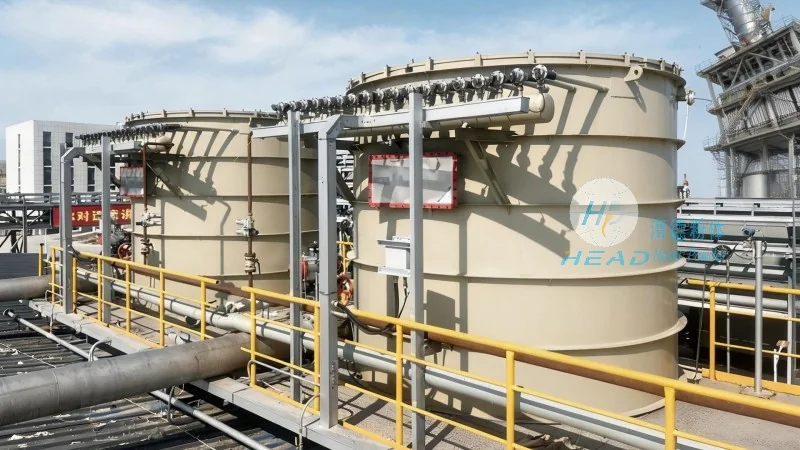
Intermittent feeding powder material handling systems offer a reliable and efficient solution for the transportation and processing of bulk solid materials. Their working principle, based on controlled, discrete material movement, and key characteristics, including precision dosing, versatility, and reduced material degradation, make them suitable for a wide range of industrial applications. As industries continue to demand higher precision and quality in their operations, these systems remain a vital component in modern manufacturing processes. HeadPowder, a leading provider of powder handling solutions, specializes in designing and manufacturing high-quality intermittent feeding systems tailored to the specific needs of their clients. With a commitment to innovation and quality, HeadPowder ensures that their systems meet the highest standards of performance and reliability, helping industries achieve their operational goals with efficiency and precision. Based in Shandong, China, HeadPowder leverages its expertise and local resources to deliver cutting-edge solutions for powder handling challenges worldwide.

 Shandong Headpowder Engineering Co., Ltd.
 156-6277-7102(Manager Zhang)
  0531-83386006
  Jinan City, Shandong Province, China
telephone
WeChatconsult
top