PP powder conveying systems are widely used in various industrial applications to transport polypropylene powder efficiently and safely. Understanding the working principle and key characteristics of these systems is crucial for optimizing material handling processes and ensuring operational reliability.
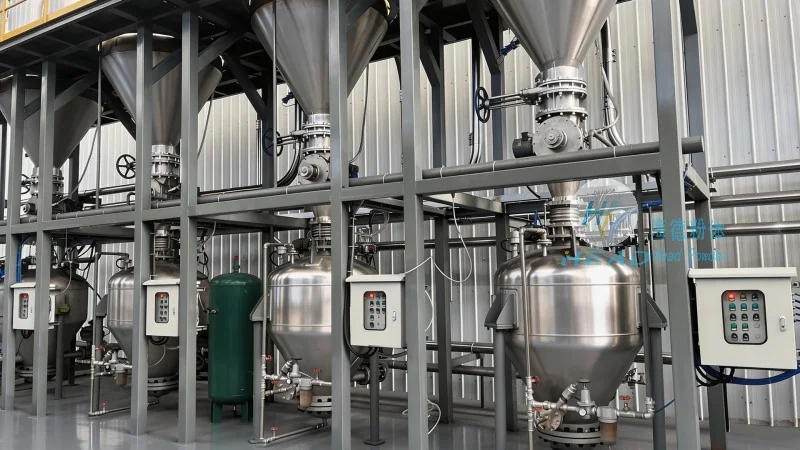
PP powder conveying systems typically operate based on the principles of pneumatic or mechanical transport. The most common method is pneumatic conveying, which utilizes air pressure to move powder particles through a pipeline. In this process, the powder is fed into a hopper, where it is then drawn into a conveying line by a vacuum or pressure source. The air-powder mixture travels through the pipeline, with the air providing the necessary force to overcome friction and gravity. At the discharge point, the air is separated from the powder, often using cyclones or filters, and the powder is collected in a storage or processing unit. Mechanical conveying methods, such as screw conveyors or belt conveyors, are also employed for PP powder, relying on mechanical components to move the material through a system. These systems are designed to handle the specific properties of PP powder, including its density, flowability, and potential for static electricity, ensuring smooth and consistent transport. The selection of the appropriate conveying method depends on factors like the powder's characteristics, the required conveying distance, and the desired system efficiency. For example, pneumatic systems are often preferred for long-distance transport or when the powder needs to be handled in a closed environment, while mechanical systems may be more suitable for short-distance transport or when the powder has high moisture content. Advanced systems may combine both pneumatic and mechanical components to achieve optimal performance.
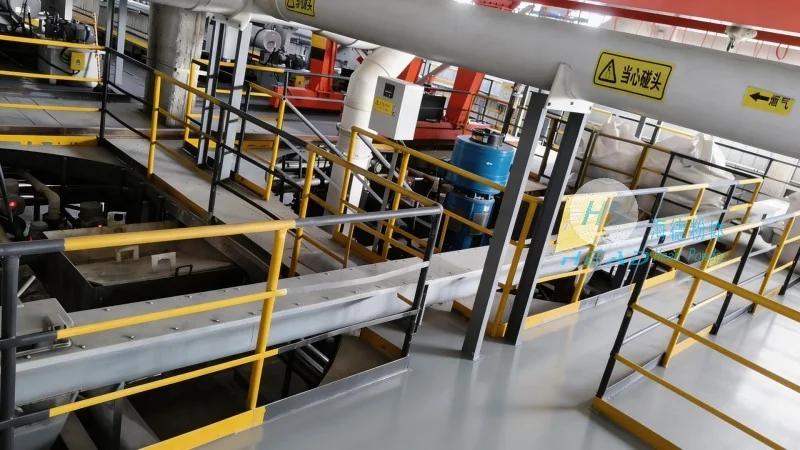
Several important characteristics define the performance and suitability of PP powder conveying systems. First, the system's efficiency in transporting powder is critical, as it directly impacts production throughput and operational costs. High conveying rates and low energy consumption are desirable features, with advanced systems achieving high efficiency through optimized air flow and component design. Second, the system's ability to handle the unique properties of PP powder, such as its tendency to aggregate or generate static charge, is essential for preventing blockages and ensuring safe operation. Advanced systems often incorporate anti-static measures, such as grounding electrodes or ionizers, and agitators to maintain powder flowability and prevent material buildup. Third, the system's durability and maintenance requirements are significant factors. PP powder can be abrasive, and the conveying components must be constructed from materials resistant to wear and corrosion, such as stainless steel or specialized polymers. Regular maintenance, including cleaning and component replacement, is necessary to ensure long-term system performance. Fourth, the system's flexibility in accommodating different powder loads and processing requirements is important for adapting to varying production needs. This includes the ability to adjust conveying rates, change the system configuration, or integrate with other processing equipment. Additionally, the system's integration with other processing equipment, such as mixing or extrusion units, is crucial for seamless material handling in manufacturing processes, minimizing downtime and improving overall production flow.
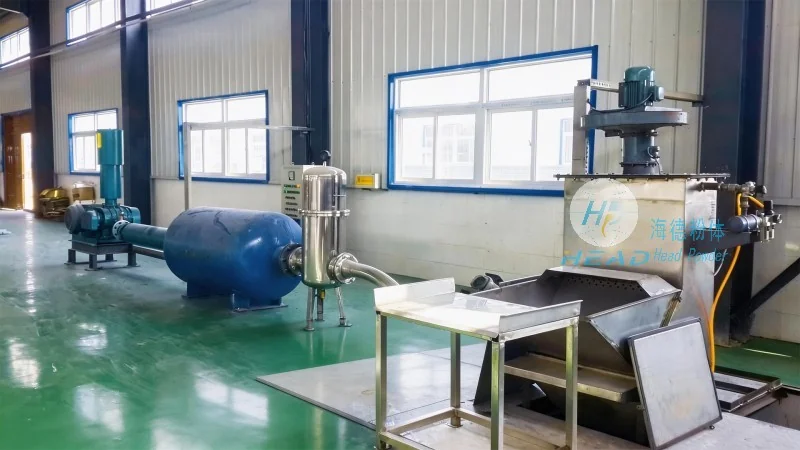
Shandong HeadPowder Engineering Co., Ltd., operating under the brand name headpowder, is a leading provider of specialized powder handling solutions. With a focus on industrial applications, the company designs and manufactures advanced PP powder conveying systems tailored to meet the specific needs of various industries, including plastics, chemicals, and food processing. HeadPowder's expertise lies in understanding the unique challenges of powder handling, particularly with materials like polypropylene, and developing innovative solutions to address them. The company's facilities are located in Shandong, China, where it leverages local resources and industry expertise to deliver high-quality products and services. By combining technical knowledge with practical experience, HeadPowder aims to enhance the efficiency and safety of powder transport processes for its clients, contributing to improved productivity and operational reliability in industrial settings. The company adheres to strict quality standards and provides comprehensive support, including system design, installation, and after-sales service, to ensure customer satisfaction and long-term partnership. HeadPowder's commitment to innovation and customer-centric approach has established it as a trusted name in the powder handling industry, helping businesses optimize their material handling operations and achieve their production goals.

 Shandong Headpowder Engineering Co., Ltd.
 156-6277-7102(Manager Zhang)
  0531-83386006
  Jinan City, Shandong Province, China
telephone
WeChatconsult
top