

Introduction to the Structure and Working Principle of Pneumatic Conveying Equipment for Lithium-Ion
HeadPowder, formally known as Shandong HeadPowder Engineering Co., Ltd., is a professional manufacturer specializing in the design, development, and production of pneumatic conveying equipment. The company is headquartered in Shandong, China, and has established itself as a key supplier in the field of material handling solutions for the lithium-ion battery industry. HeadPowder's core products include pneumatic conveying systems tailored for the transport of positive and negative electrode materials, which are critical components in the production of lithium-ion batteries.
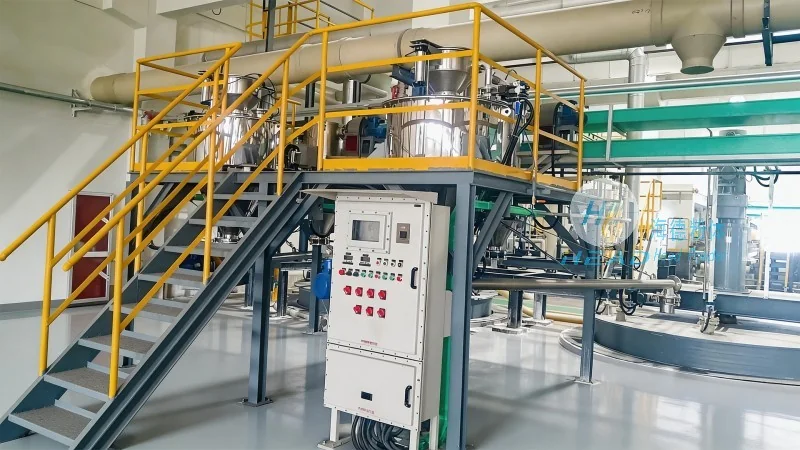
Purpose and Application of Pneumatic Conveying Equipment
The pneumatic conveying equipment for lithium-ion battery electrode materials is designed to efficiently transport powders such as graphite, nickel, cobalt, manganese, and other raw materials used in the production of battery electrodes. Traditional methods like bucket elevators or belt conveyors may face challenges with dust, material segregation, and contamination, which can affect the quality and performance of the final battery products. Pneumatic conveying systems offer a dust-free, closed-loop operation that ensures material integrity and reduces environmental impact. These systems are widely used in the battery manufacturing process to move materials from storage silos to mixing and coating lines, facilitating smooth production workflows.
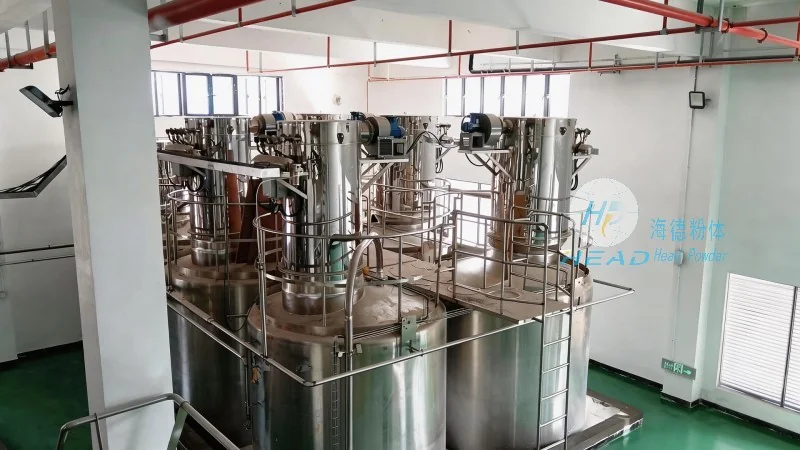
Structural Components and Working Principle
The pneumatic conveying system typically consists of several key components, each playing a crucial role in the material transport process. The main parts include a hopper or feeder for material intake, a conveying pipeline, a blower or air compressor to generate the air flow, a separation or filtration system to clean the air and recover fine particles, and a discharge outlet for the material delivery. The working principle is based on the use of compressed air to create a flow that lifts and transports the powder particles through the pipeline. The air flow velocity is carefully controlled to ensure that the particles are carried without causing excessive wear to the system components. The system operates in a closed loop, where the air is filtered and recycled, minimizing energy consumption and environmental emissions.
Key Features and Advantages
HeadPowder's pneumatic conveying equipment for lithium-ion battery electrode materials is engineered with several advantages that enhance performance and reliability. One of the primary features is the ability to handle fine powders and prevent material segregation, which is essential for maintaining consistent battery performance. The closed-loop design ensures that the material is contained throughout the transport process, reducing dust emissions and improving workplace safety. The system also offers flexibility in terms of pipeline layout, allowing for vertical, horizontal, or mixed configurations to suit different plant layouts. Additionally, the equipment is designed for easy maintenance and cleaning, with accessible components that facilitate regular upkeep. The use of high-quality materials and precision manufacturing ensures long service life and minimal downtime, contributing to overall operational efficiency.
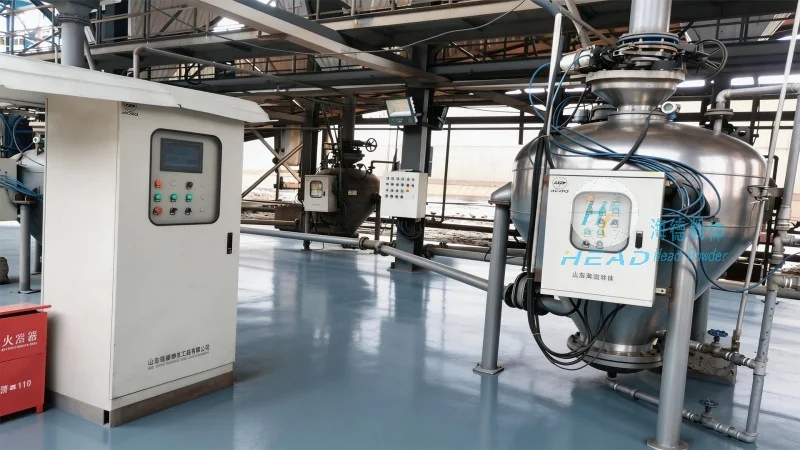
Technical Specifications and Customization Options
HeadPowder provides a range of technical specifications and customization options to meet the specific needs of different battery manufacturing facilities. The conveying capacity can be adjusted based on the material type and production scale, with options ranging from small-scale laboratory systems to large industrial units capable of handling high volumes. The system can be equipped with various blower types, such as centrifugal or positive displacement blowers, depending on the required air flow and pressure. The pipeline diameter and length are also customizable to fit the plant layout and material transport requirements. The company offers technical support and engineering services to help clients design and implement the most suitable conveying solution for their production lines. This includes site surveys, material analysis, and system integration to ensure optimal performance and compliance with industry standards.