

What is an Acrylic Esters Rubber Powder Conveying Line? What are its Design Principles?
Acrylic esters rubber powder conveying lines are specialized industrial systems engineered to handle the transportation of acrylic esters rubber powders efficiently and safely. These lines are crucial in various manufacturing processes where such rubber powders are used, ensuring reliable material flow from storage to processing units. The design of these conveying systems is tailored to meet the unique properties of acrylic esters rubber, such as its chemical resistance, flexibility, and handling characteristics.
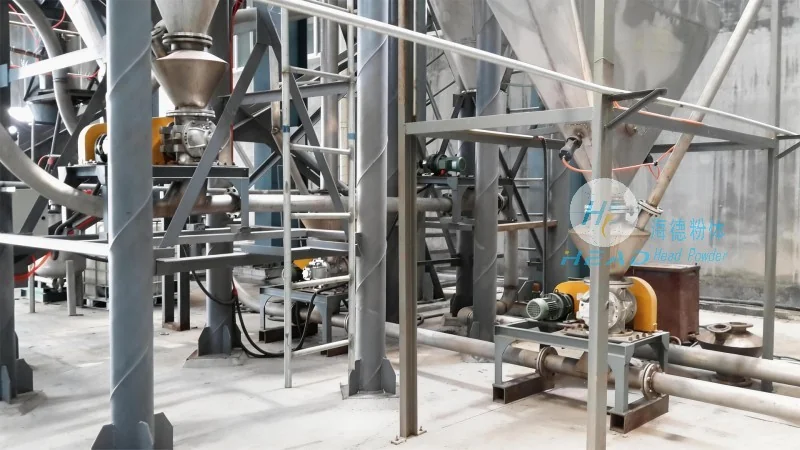
HeadPowder, a leading manufacturer based in Shandong, China, specializes in the design, fabrication, and installation of high-quality powder conveying solutions. With a strong commitment to precision engineering and customer satisfaction, HeadPowder has established itself as a trusted partner in the rubber and polymer processing industry. The company’s headquarters and main operations are located in Shandong, China, where it leverages advanced technology and skilled expertise to deliver tailored conveying solutions for diverse industrial applications.
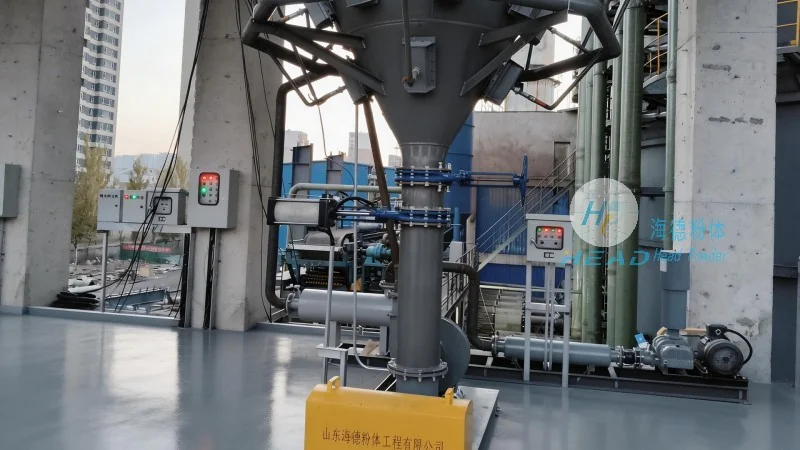
Key Design Principles for Acrylic Esters Rubber Powder Conveying Lines
The design of an acrylic esters rubber powder conveying line involves several critical principles aimed at optimizing performance, durability, and operational efficiency. The primary goal is to ensure that the rubber powder is transported without degradation, contamination, or loss. Here are the main design considerations:
- Material Compatibility: The conveying equipment, including hoppers, pipelines, and valves, must be constructed from materials that are compatible with acrylic esters rubber. Common materials include stainless steel, special alloys, or coated components to prevent chemical reactions and ensure long-term service life.
- Airflow and Pressure Management: Proper airflow and pressure control are essential to maintain consistent material flow. The system typically uses positive pressure or vacuum to move the powder, with pressure regulators and filters to prevent dust emissions and maintain air quality.
- Prevention of Agglomeration: Acrylic esters rubber powders can agglomerate due to moisture or static electricity. Design features like anti-static coatings, moisture control systems, and gentle agitation mechanisms are incorporated to prevent clumping and ensure smooth transport.
- Control and Automation: Modern conveying lines are equipped with advanced control systems that monitor flow rates, pressure, and other parameters in real-time. Automation helps in maintaining optimal operating conditions, reducing downtime, and enhancing overall system reliability.
Components of an Acrylic Esters Rubber Powder Conveying Line
An acrylic esters rubber powder conveying line typically consists of several interconnected components that work together to achieve efficient material transport. The key components include:
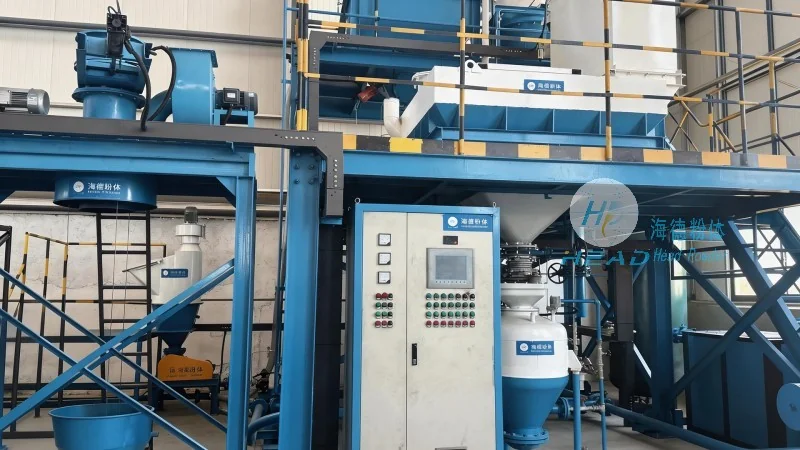
- Storage Hopper: A large container where the acrylic esters rubber powder is stored before being fed into the conveying system. The hopper is designed with a smooth interior to prevent material buildup and is equipped with a discharge valve for controlled material release.
- Pneumatic Conveying System: This is the core of the line, using air to move the powder through pipelines. It may include a blower or compressor to generate the necessary pressure, and a series of pipes with appropriate diameters and bends to guide the material to the destination.
- Control Unit: A central control panel that manages the operation of the entire system. It includes sensors, valves, and a user interface to monitor and adjust flow rates, pressure, and other operational parameters.
- Receiving Hopper or Processing Unit: The final component where the powder is deposited for further processing or use. This may be integrated with the next stage of the manufacturing process, such as mixing or molding.
Applications and Benefits
Acrylic esters rubber powder conveying lines are widely used in industries that rely on acrylic esters rubber, including automotive, aerospace, and industrial manufacturing. The benefits of using such systems include improved material handling efficiency, reduced labor costs, minimized product contamination, and enhanced workplace safety. By ensuring consistent and reliable transport of the rubber powder, these systems contribute to higher production quality and reduced downtime in manufacturing operations.