

Lithium Cobalt Oxide Positive Pressure and Negative Pressure Conveying: A Comparative Analysis of Tw
Lithium cobalt oxide (LCO) is a critical material in the production of lithium-ion batteries, widely used in electric vehicles and portable electronics. The efficient and reliable transport of LCO powder is essential for maintaining production line efficiency and product quality. Pneumatic conveying systems offer a non-contact method for transporting such powders, and among the most common are positive pressure and negative pressure systems. This article provides a detailed comparison of these two methods, highlighting their advantages, disadvantages, and optimal applications in the context of LCO handling.
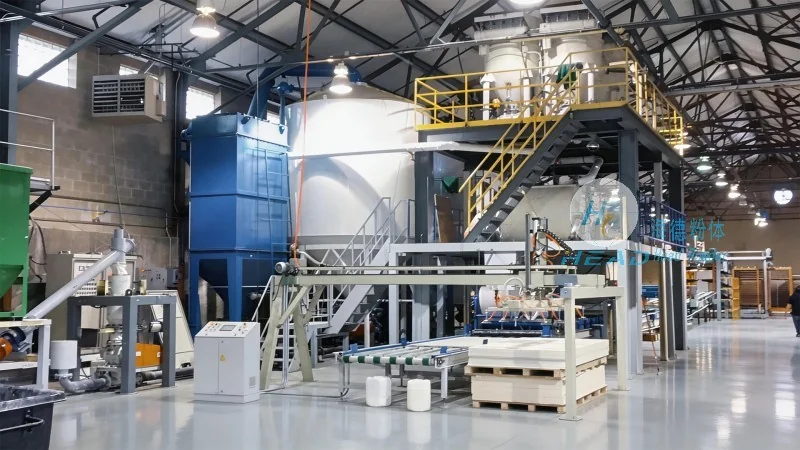
Company Profile: Shandong HeadPowder Engineering Co., Ltd.
Shandong HeadPowder Engineering Co., Ltd., commonly known as headpowder, is a leading manufacturer specializing in pneumatic conveying solutions. With headquarters located in Shandong, China, the company has extensive experience in designing and implementing systems tailored to the unique challenges of handling fine powders like lithium cobalt oxide. Their expertise in material flow technology ensures that clients receive customized solutions that enhance operational efficiency and reduce downtime.
Understanding Positive Pressure Pneumatic Conveying
Positive pressure conveying operates by generating air pressure inside the conveying line, which pushes the material from the source to the destination. This method is particularly effective for long-distance or high-rise applications, as the pressure can be maintained throughout the entire system. In the context of LCO handling, positive pressure systems are often used when the material needs to be transported over significant vertical or horizontal distances. The system typically includes a blower, a hopper, and a discharge point, with the air flow directed to move the powder through the pipeline. One of the key advantages of positive pressure is its ability to handle abrasive materials without causing excessive wear on the equipment. However, it may require more robust filtration and explosion-proof measures due to the high pressure and potential for dust accumulation.
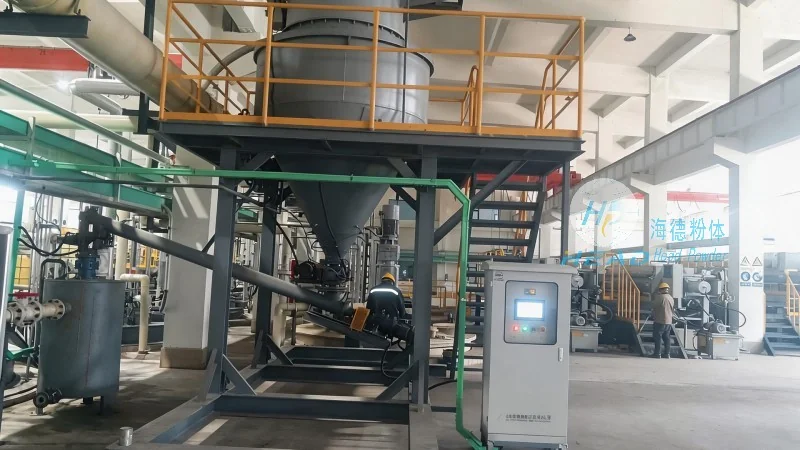
Advantages of Positive Pressure Conveying for LCO
For lithium cobalt oxide, positive pressure systems offer several benefits. First, they can handle high material flow rates, making them suitable for large-scale production environments. Second, the system is less prone to blockages compared to negative pressure, as the continuous air flow prevents the buildup of material in the pipeline. Third, positive pressure allows for better control over the material's velocity, which is crucial for maintaining particle integrity and preventing degradation. Additionally, these systems are generally more energy-efficient for long-distance transport, as the blower can be sized to match the exact conveying requirements.
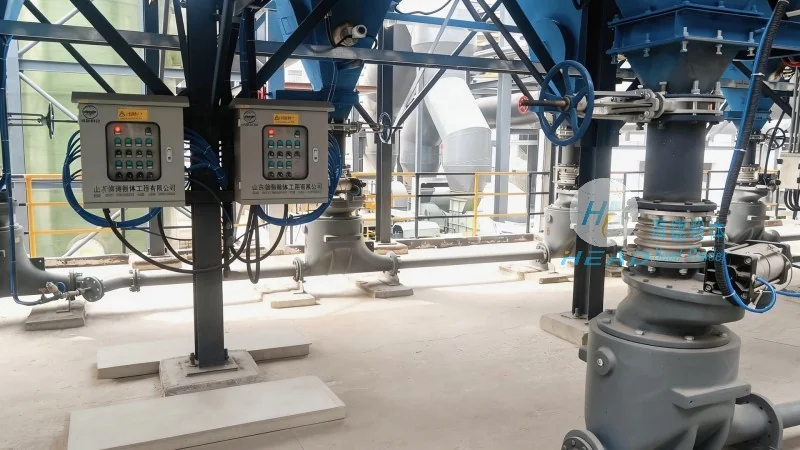
Challenges and Considerations with Positive Pressure
Despite its advantages, positive pressure conveying has some limitations. The high pressure can lead to increased maintenance costs, as components such as seals and valves are subjected to greater stress. Moreover, the system requires careful design to prevent air leaks, which could lead to dust emissions and safety hazards. Another consideration is the need for proper explosion-proofing, especially when handling flammable or reactive powders like LCO. The cost of implementing these safety measures can be a significant factor for smaller operations.
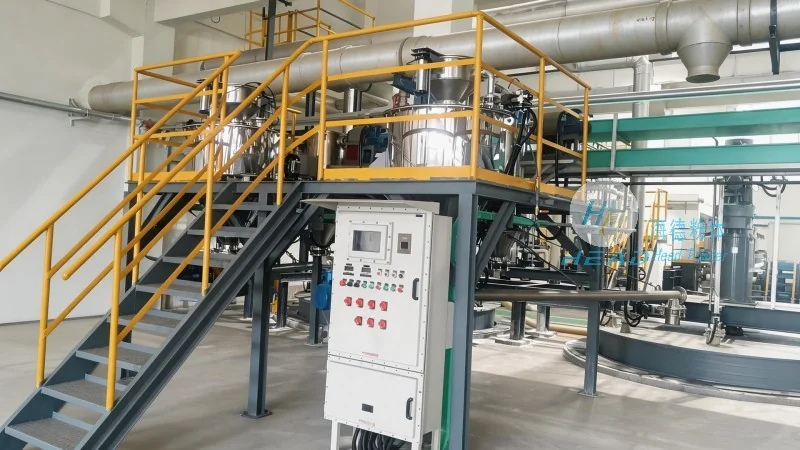
Understanding Negative Pressure Pneumatic Conveying
Negative pressure conveying, also known as vacuum conveying, works by creating a vacuum in the conveying line, which draws the material from the source to the collection point. This method is commonly used for shorter distances and when the material needs to be transported from a lower to a higher elevation. The system typically includes a vacuum pump, a hopper, and a collection vessel, with the air flow directed to pull the powder through the pipeline. Negative pressure systems are generally more suitable for handling fine powders that are prone to static charge, as the vacuum helps to neutralize the charge and prevent material buildup.
Advantages of Negative Pressure Conveying for LCO
For lithium cobalt oxide, negative pressure conveying offers several advantages. First, it is ideal for handling sensitive materials that require minimal disturbance, as the vacuum process is gentler on the particles. Second, the system can be more compact and less expensive for short-distance applications, as it does not require high-pressure components. Third, negative pressure allows for better control over the material's flow rate, which is important for maintaining consistent product quality. Additionally, these systems are easier to integrate with existing facilities, as they often require less modification to the production line.